


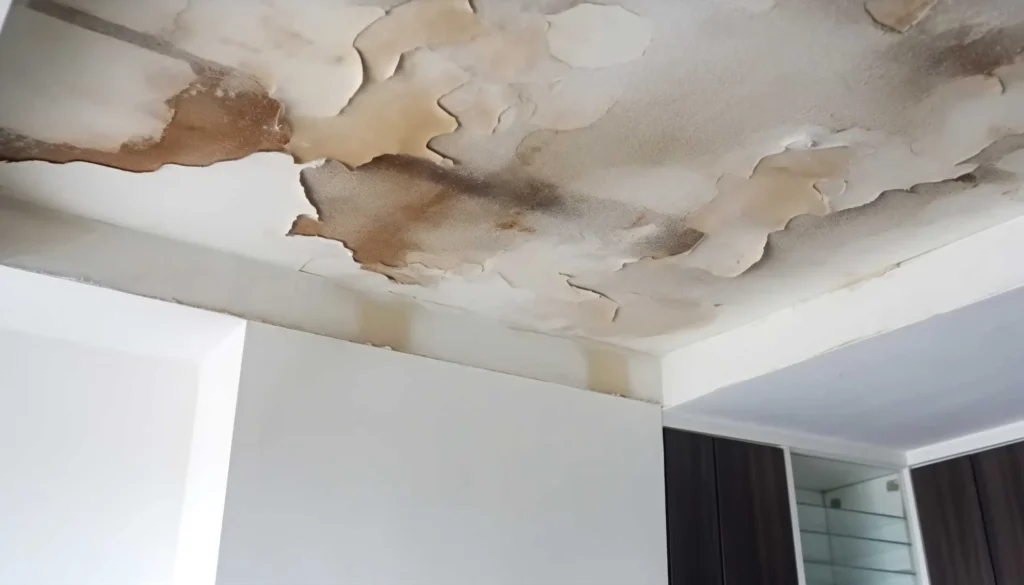
Your home is one of the biggest investments you’ll ever make, and protecting it requires more than routine cleaning and seasonal upkeep. Water damage is among the most common and expensive problems homeowners face, often leading to structural deterioration, mold growth, and costly repairs. While some issues develop slowly over time, others happen without warning, turning a minor plumbing problem into a major emergency.
When unexpected leaks, burst pipes, or overflowing fixtures occur, contacting an emergency plumber Batavia, NY can help prevent extensive damage before it spreads throughout your home. Acting quickly is often the difference between a simple repair and thousands of dollars in restoration costs.
Why Water Damage Is So Expensive
Water has a way of reaching places you can’t easily see. It can seep beneath flooring, behind drywall, into insulation, and even into your home’s foundation. Because much of this damage remains hidden, problems often continue long after the initial leak appears to have stopped.
The longer moisture remains trapped inside a structure, the greater the likelihood of:
- Wood rot
- Mold and mildew growth
- Damaged insulation
- Warped flooring
- Ceiling stains and sagging
- Electrical hazards
- Foundation weakening
Even a small leak that goes unnoticed for several weeks can create significant repair bills.
Common Sources of Household Water Damage
Many homeowners assume major floods are the biggest threat, but everyday plumbing failures account for countless insurance claims each year.
Some of the most common causes include:
Burst Pipes
Cold temperatures, aging plumbing, corrosion, or excessive water pressure can cause pipes to crack or burst unexpectedly. A burst pipe can release hundreds of gallons of water in just a few hours.
Leaking Water Heaters
Water heaters typically last between 8 and 12 years. As they age, corrosion inside the tank may eventually cause leaks that damage nearby floors and walls.
Faulty Appliances
Dishwashers, washing machines, refrigerators with water lines, and ice makers all rely on flexible hoses and plumbing connections that can wear out over time.
Inspecting these connections regularly helps reduce the risk of sudden leaks.
Clogged Drains
A slow drain may seem harmless at first, but severe clogs can force wastewater back into sinks, showers, or even basements. Standing water can quickly damage flooring and cabinetry.
Roof and Gutter Problems
Although plumbing receives much of the attention, roof leaks and clogged gutters also contribute to moisture intrusion. Water entering through the roof often damages insulation, drywall, and wooden framing before becoming visible indoors.
Warning Signs You Should Never Ignore
Many serious plumbing problems begin with subtle warning signs. Recognizing these early can prevent expensive structural repairs later.
Watch for:
- Unexplained increases in water bills
- Water stains on ceilings or walls
- Musty or damp odors
- Peeling paint or bubbling wallpaper
- Low water pressure
- Dripping sounds behind walls
- Wet spots on floors or carpets
- Mold growing in unusual places
These symptoms often indicate hidden leaks that require immediate attention.
Protecting Your Home Before Problems Start
Preventive maintenance is one of the smartest investments homeowners can make. Many plumbing emergencies are avoidable with regular inspections and simple upkeep.
Helpful preventive measures include:
Inspect Plumbing Regularly
Check exposed pipes under sinks, inside basements, crawl spaces, and utility rooms. Look for corrosion, moisture, or small drips before they become larger issues.
Replace Aging Hoses
Rubber washing machine hoses and appliance supply lines deteriorate over time. Replacing them every few years with braided stainless-steel hoses offers added durability.
Monitor Water Pressure
Excessively high water pressure puts stress on pipes, fittings, and appliances. Installing a pressure regulator can help extend the life of your plumbing system.
Clean Gutters and Downspouts
Proper drainage keeps rainwater moving away from your home’s exterior and foundation. Blocked gutters increase the likelihood of water intrusion during heavy storms.
Know Where the Main Water Shut-Off Valve Is
Every homeowner should know how to quickly turn off the home’s water supply. In an emergency, shutting off the water immediately can significantly reduce damage while waiting for repairs.
The Hidden Impact on Your Home’s Structure
Structural damage rarely happens overnight. Continuous exposure to moisture weakens many of the materials that support your home.
Wood framing absorbs water, leading to swelling and rot. Drywall softens and eventually crumbles. Insulation loses much of its effectiveness once wet, increasing heating and cooling costs.
Moisture can also compromise concrete foundations by entering small cracks and expanding during freezing temperatures. Over time, these repeated cycles may contribute to foundation movement and larger structural concerns.
Addressing water problems early helps preserve both the safety and long-term value of your property.
Mold: A Problem That Grows Quickly
Mold can begin developing within 24 to 48 hours after water exposure under the right conditions. Once established, it spreads rapidly through walls, ceilings, carpeting, and HVAC systems.
Besides damaging building materials, mold may negatively affect indoor air quality and create unpleasant odors throughout the home.
Keeping your home dry and repairing leaks promptly remains one of the most effective ways to reduce the risk of mold growth.
Creating a Home Maintenance Routine
A simple seasonal checklist can help homeowners catch small issues before they become expensive repairs.
Consider inspecting the following every few months:
- Faucets and fixtures
- Water heater
- Washing machine hoses
- Under-sink plumbing
- Basement walls
- Roof flashing
- Gutters
- Exterior drainage around the foundation
These routine inspections require little time but can prevent significant repair costs later.
Final Thoughts
Protecting your home from costly water and structural damage begins with awareness and proactive maintenance. Small leaks, aging plumbing, and hidden moisture problems often develop gradually, making regular inspections an essential part of responsible homeownership.
By responding quickly to warning signs, maintaining your plumbing system, and addressing issues before they escalate, you can avoid many of the repairs that place unnecessary strain on both your home and your budget. A little prevention today can save thousands of dollars tomorrow while preserving the comfort, safety, and value of your home for years to come.