


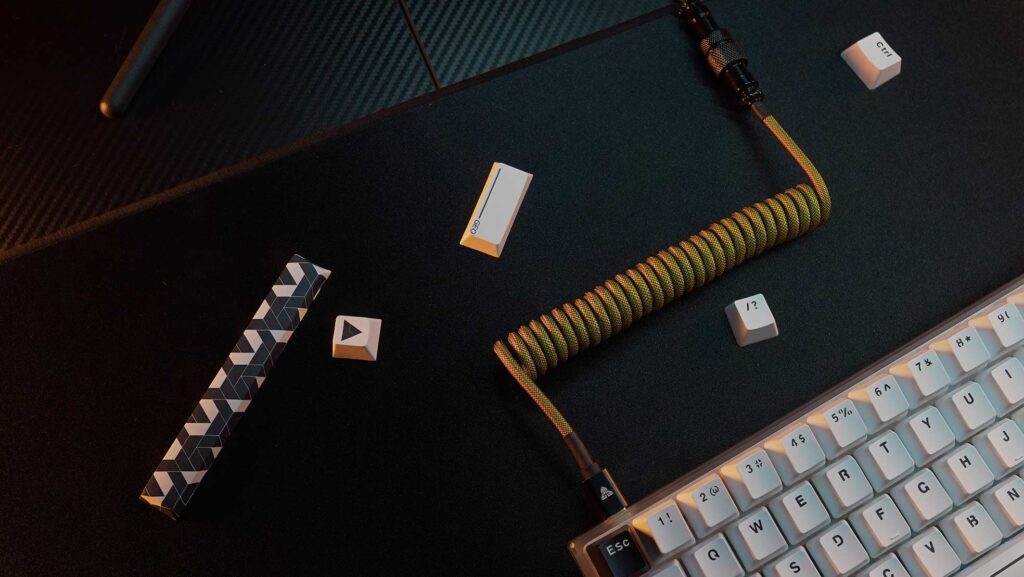
In the world of computer peripherals, keyboard cables often go unnoticed despite their crucial role in ensuring a reliable connection between the keyboard and the computer. Whether for professional use, gaming, or general typing, selecting the right keyboard cable can significantly impact both the performance and longevity of the device. This guide offers an in-depth examination of the factors to consider when choosing keyboard cables, helping users make informed decisions based on their specific needs.
Understanding Keyboard Cables and Their Importance
Keyboard cables serve as the physical medium transmitting data and power between the keyboard and the host computer. The quality of these cables directly affects connectivity stability, response time, and durability. A poorly made or incompatible cable may result in intermittent disconnection, latency issues, or even physical damage to the keyboard’s port over time. Consequently, investing in high-quality keyboard cables is essential for ensuring a seamless user experience.
Types of Keyboard Cables Available
There are several types of keyboard cables commonly used in the market today. The most prevalent types include USB Type-A to USB Type-B cables, USB Type-C cables, and older PS/2 cables. Each type is designed for specific keyboard connection ports and has distinct advantages and limitations.
USB Type-A to USB Type-B cables are the most traditional and widely used, suitable for many desktop and mechanical keyboards. USB Type-C cables feature a reversible connector and support faster data transfer speeds, becoming an increasingly popular standard in modern devices. Meanwhile, PS/2 cables, once standard, are now mostly found on legacy keyboards but are appreciated for their low latency in certain specialised applications.
Cable Length Considerations
Choosing the appropriate length of keyboard cable is vital for both usability and maintaining signal integrity. Too short a cable may limit positioning options and cause tension on the connectors, potentially damaging ports. Conversely, excessively long cables can introduce signal degradation, increase the likelihood of tangling, and create a cluttered workspace.
Users should assess their workstation layout carefully before selecting a cable length. Typically, keyboard cables range from 1 metre to 3 metres. For desktop setups, a length of 1.5 to 2 metres is often sufficient, allowing flexibility while minimising excess cable.
Cable Material and Build Quality
The material composition and build quality of keyboard cables substantially affect durability and flexibility. High-quality cables commonly feature braided outer layers made from nylon or other robust materials, offering resistance against wear, abrasion, and tangling. Such cables also tend to withstand rigorous daily use better than standard plastic-coated cables.
Internally, shielding is important to reduce electromagnetic interference, which can cause signal disturbances. Cables with multiple layers of shielding are preferable, especially in environments with numerous electronic devices.
Connector Quality and Compatibility
Reliable connectors ensure a stable and lasting link between the keyboard and the computer. Gold-plated connectors are often considered superior due to their resistance to corrosion and improved conductivity, resulting in better signal transmission and reduced wear over time.
Compatibility is equally essential. The cable’s connectors must match the keyboard’s and computer’s ports precisely. Users should verify the types and specifications of their devices before purchasing cables to prevent incompatibility issues.
Custom Keyboard Cables
With the growing popularity of custom mechanical keyboards, customised keyboard cables have gained significant attention. These cables, often handcrafted and available in a variety of colours and patterns, not only serve a functional purpose but also add an aesthetic appeal to setups.
Aside from visual appeal, custom cables often feature enhanced materials and connectors, meeting high standards for performance and durability. Enthusiasts can choose from various connectors, lengths, and materials to tailor cables specifically to their preferences.
Detachable vs Non-Detachable Keyboard Cables
Another consideration is whether the keyboard cable is detachable or permanently fixed. Detachable cables offer greater flexibility, enabling users to replace damaged cables or switch lengths without replacing the entire keyboard. This feature is particularly beneficial for customisation and maintenance.
By contrast, non-detachable cables reduce the possibility of loose connections but limit convenience. Whether to prioritise convenience or rigidity is subjective and depends on the user’s typical usage scenarios.
Considerations for Wireless Keyboards
Although this article focuses on physical keyboard cables, it is worth noting that wireless keyboards eliminate the need for cables but introduce other factors such as battery life, latency, and possible wireless interference. For users requiring the utmost reliability, especially in gaming or professional work, wired connections with high-quality cables remain the preferred option.
Where to Purchase Quality Keyboard Cables
When selecting keyboard cables, it is advisable to source them from reputable suppliers specialising in keyboard accessories. Such vendors provide detailed product descriptions, specifications, and quality assurances that aid consumers in making the best choice.
For example, keyboard cables are available from dedicated specialised collections that focus exclusively on high-quality construction, variety in lengths and connector types, and customisation options. Purchasing from such retailers ensures access to reliable products backed by customer support.
Impact of Keyboard Cables on Keyboard Performance
Although keyboard cables may seem like minor components, they can have a tangible impact on performance. Signal latency, stability, and durability are influenced by cable quality. Gamers, programmers, and typists requiring precise and responsive keystrokes should not underestimate the importance of selecting appropriate cables.
Maintenance and Care for Keyboard Cables
Proper maintenance extends the lifespan of keyboard cables significantly. Users should avoid sharp bends, excessive pulling, and exposing cables to harsh conditions. Regular cleaning with appropriate materials helps prevent dust and grime build-up at connectors, preserving signal quality.
Additionally, storing cables neatly when not in use reduces the risk of internal damage and tangling. Using cable organisers or ties is recommended to keep cables organised and protected.
Environmental Considerations
In the current climate of environmental awareness, users should also consider cables made from sustainable or recyclable materials. Some manufacturers now offer eco-friendly options with biodegradable coatings or reduced plastic usage, contributing towards lower environmental impact.
Summary
Choosing the best keyboard cables involves an assessment of connection types, cable length, materials, build quality, and compatibility. These factors collectively determine the performance, durability, and user satisfaction of keyboard connections.
Whether opting for standard cables or customised designs, purchasing from specialist suppliers ensures the quality and reliability needed for both everyday and specialised applications. Maintaining cables properly further enhances their lifespan and function.
For those seeking a comprehensive selection of reliable options, exploring stores that specialise in keyboard cables can provide peace of mind and optimal performance for their keyboards.