


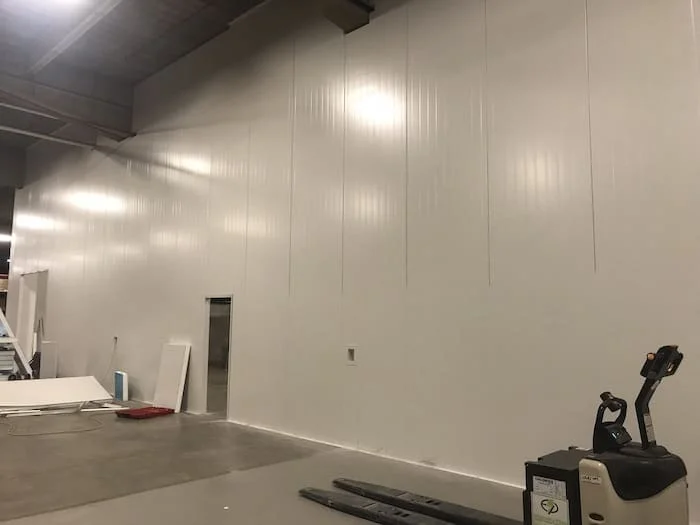
Insulated wall panels have become a popular choice in the construction industry due to their numerous advantages over traditional building materials. These panels combine thermal insulation with structural support, offering a versatile solution for both residential and commercial buildings. This article explores the benefits and various applications of insulated panels for walls, highlighting why they are a preferred option in modern construction projects.
What Are Insulated Panels for Walls?
Insulated panels for walls are composite building materials that typically consist of an insulating core sandwiched between two layers of rigid board or metal sheeting. The core material is usually made from polyurethane, polystyrene, or mineral wool, which provides excellent thermal performance. The outer layers protect the insulation and contribute to the structural integrity of the panel.
These panels offer a high performance in terms of energy efficiency, durability, and ease of installation. They are available in various thicknesses, sizes, and finishes to suit different building requirements.
Thermal Efficiency and Energy Saving
One of the primary benefits of insulated wall panels is their superior thermal insulation. They significantly reduce heat transfer through walls, maintaining a consistent indoor temperature. This leads to less reliance on heating and cooling systems, resulting in lower energy consumption and reduced utility bills.
Compared to traditional wall construction methods, insulated panels often provide higher R-values per inch of thickness, making them an efficient choice for achieving energy codes and standards. This thermal efficiency is particularly important in climates with extreme temperatures, where maintaining indoor comfort is a priority.
Speed and Ease of Installation
Insulated wall panels are prefabricated off-site, which means they arrive ready to install with insulation and cladding integrated. This reduces construction time significantly because the panels can be quickly assembled on-site, resulting in faster project completion.
The installation process requires fewer skilled labourers and less complex equipment compared to conventional brick or block wall construction. This efficiency can lower labour costs and minimise disruption on-site, especially in renovation or expansion projects where time is critical.
Structural Strength and Durability
Besides insulation, these panels contribute to the structural strength of buildings. The rigid outer layers protect the insulation core from damage, moisture, and weathering, enhancing the overall durability of the wall system.
Insulated panels also offer resistance against mould, mildew, and pests, extending the lifespan of the building envelope. Their robust construction makes them suitable for buildings exposed to harsh environmental conditions.
Design Flexibility
Insulated wall panels come in various finishes, colours, and profiles, allowing architects and designers to create aesthetically pleasing façades. The panels can be customised to fit specific design requirements, whether for modern commercial buildings or traditional residential homes.
This design flexibility is an advantage when matching existing structures or complying with local planning regulations that regulate building appearance. Additionally, the panels can be cut to size or shaped as needed without compromising their insulation properties.
Fire Safety Considerations
Fire performance is a critical consideration for building materials. Many insulated wall panels are designed with fire-resistant cores and comply with relevant fire safety standards. Using panels that balance thermal performance with fire resistance ensures the safety of occupants and protects the building structure.
It is important to select panels approved for fire safety and to follow manufacturer guidelines during installation to maintain their protective qualities.
Applications in Various Building Types
The versatility of insulated wall panels means they can be used in a wide range of applications across different sectors. Common applications include commercial buildings, industrial facilities, healthcare centres, schools, and residential homes.
For commercial buildings, the panels provide energy-efficient walls that are quick to install and help meet sustainability targets. In industrial settings, the durability of panels suits warehouses and manufacturing facilities that require robust and low-maintenance walls.
Healthcare and educational facilities benefit from the hygienic surfaces and insulation properties, which contribute to occupant comfort and health. Residential use of insulated panels includes new builds and extensions where energy efficiency and speedy construction are priorities.
Environmental Benefits
Using insulated wall panels can contribute to a building’s environmental performance. By reducing energy demand, these panels help lower greenhouse gas emissions associated with heating and cooling.
Many manufacturers offer panels made from recyclable or low-impact materials, supporting sustainable building practices. The lightweight nature of insulated panels also reduces transportation fuel consumption and construction waste.
Cost Effectiveness Over Time
While the initial cost of insulated wall panels may be higher than some conventional materials, the long-term financial benefits often outweigh the upfront investment. Savings on energy bills, reduced maintenance costs, and faster construction time can contribute to a lower total cost of ownership.
Buildings with insulated panels typically experience fewer issues related to thermal bridging and moisture, decreasing the need for repairs. This long-lasting performance is economically beneficial for both owners and tenants.
Maintenance and Longevity
Insulated wall panels are designed for minimal maintenance. Their exterior surfaces resist weathering, corrosion, and staining, reducing the frequency and cost of upkeep. This is especially advantageous for commercial buildings that require durable and presentable façades over many years.
The panels’ proven ability to maintain insulation properties and structural integrity over time ensures that building performance remains consistent throughout its lifespan.
Choosing the Right Insulated Panels
Selecting appropriate insulated panels depends on factors such as climate, building type, aesthetic preferences, and budget. Understanding the thermal requirements, fire codes, and structural needs is essential to ensure optimal performance.
Consulting with suppliers and manufacturers who provide detailed specifications and support can assist in choosing panels that meet all regulatory and project-specific criteria.
Summary
Insulated panels for walls offer numerous benefits that address modern construction challenges. Their high thermal efficiency, quick installation, structural strength, design versatility, and long-term cost savings make them a compelling choice for a wide range of building projects.
They are suitable for various applications across residential, commercial, and industrial buildings while contributing to sustainability goals through energy savings and reduced environmental impact.
Further Information and Supply
For those interested in exploring the options and specifications of insulated wall panels, reputable suppliers offer a comprehensive range of products to meet diverse construction needs. To view available options and acquire detailed technical information, it is recommended to visit the insulated panels for walls collection.