


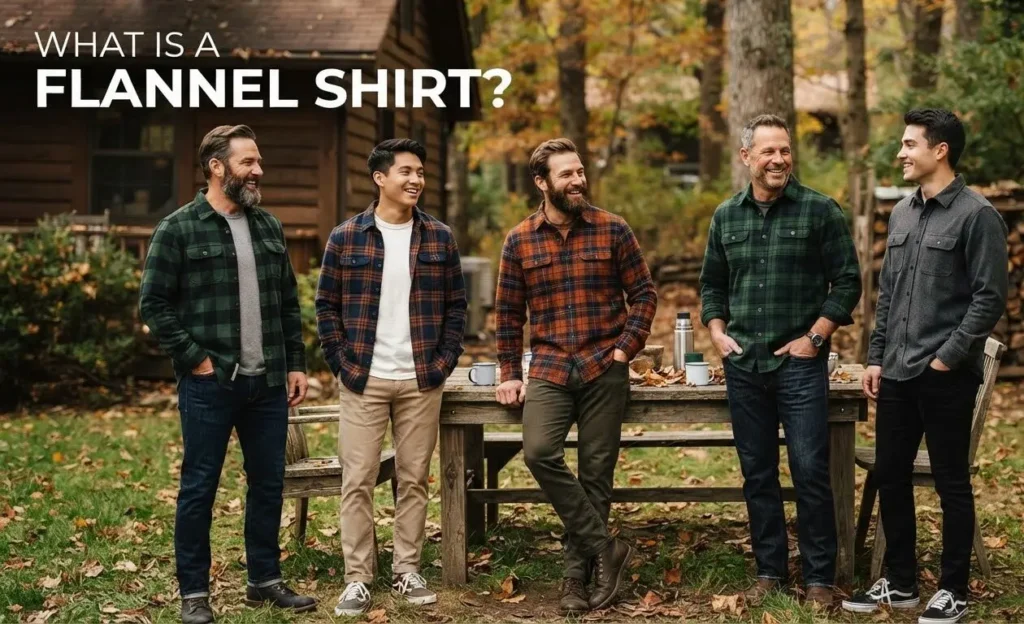
Flannel shirts have long been a staple in men’s wardrobes, valued for their comfort, durability, and timeless style. As versatile garments, they can be worn across various seasons and for many occasions, from casual outings to more rugged outdoor activities. This article offers a comprehensive guide to men’s flannel shirts, exploring their history, fabric characteristics, styling tips, and care instructions.
The History of Flannel Shirts
Flannel fabric originated in Wales during the 17th century, initially made from wool. It gained popularity due to its soft texture, insulating properties, and water-resistant qualities. Over time, cotton flannel became common, providing a lighter yet warm alternative. Flannel shirts gained cultural significance in the 20th century, particularly linked to workwear and later embraced by various youth subcultures.
What Is a Flannel Shirt?
A flannel shirt is traditionally crafted from flannel fabric, which is characterised by a soft, napped texture on one or both sides. This fabric is typically woven from cotton, wool, or synthetic fibres, designed to trap heat and provide warmth. Flannel shirts often feature a plaid or tartan pattern, although solid colours and other designs are also popular.
Fabric Characteristics
The softness of flannel shirts stems from the brushing process that raises fibres on the fabric surface. This napping creates a cosy feel, making flannel shirts particularly suitable for cooler climates. Cotton flannel is breathable and comfortable for daily wear, while wool flannel offers superior insulation for extreme cold. Modern blends may incorporate synthetic fibres to enhance durability and minimise shrinkage.
Benefits of Wearing Flannel Shirts
Flannel shirts offer several advantages for men seeking practical and stylish clothing. Their warmth and softness make them ideal for layering during autumn and winter. The fabric’s breathability helps regulate body temperature, preventing overheating. Additionally, flannel shirts provide durability, often lasting many years when properly cared for.
Styling Mens Flannel Shirts
Mens flannel shirts are highly versatile and can complement diverse looks. For a casual style, wearing a flannel shirt over a plain T-shirt with jeans is a classic combination. For a more polished appearance, pairing a neatly fitted flannel shirt with chinos and boots adds refined ruggedness. Layering a shirt under a sweater or jacket enhances both warmth and dimension to the outfit.
Colour and Pattern Choices
Traditional men’s flannel shirts often display tartan or plaid patterns in colours like red, green, blue, or beige. These patterns contribute to the shirt’s classic aesthetic. For a modern twist, solid colours or minimal patterns appeal to those preferring understated styles. Choosing colours that complement an individual’s skin tone and overall wardrobe is advisable.
Seasonal Use
Flannel shirts are particularly popular in cooler seasons due to their insulating properties. In autumn, a lightweight flannel shirt can serve as an outer layer. During winter, it can be worn under jackets or coats to enhance warmth. Some men also wear flannel shirts in spring, especially in regions where temperatures fluctuate during the day.
Choosing the Right Fit
Fit is critical in ensuring comfort and style with mens flannel shirts. Options include slim fit, regular fit, and relaxed fit varieties. Slim fit shirts provide a tailored look and suit those with lean builds. Regular fit offers a balance between comfort and shape, while relaxed fit caters to those seeking maximum mobility or a casual look. Trying different fits helps identify personal preferences.
Where to Find Quality Mens Flannel Shirts
Finding well-made men’s flannel shirts requires attention to fabric quality, construction, and design. Reliable retailers offer a range of options catering to varying preferences and budgets. One reputable source for authentic and stylish options is men’s flannel shirts available through Main Street Clothing, which provides durable and fashionable selections.
Caring for Flannel Shirts
Proper care enhances the longevity and appearance of flannel shirts. Washing them in cold water preserves the fabric’s integrity and prevents shrinking. Using gentle detergents and avoiding bleach protects colours and fibres. It is advisable to air dry flannel shirts or use low heat settings if machine drying. Ironing should be done carefully at low temperatures to maintain the fabric’s softness.
Storage Tips
When not in use, flannel shirts should be stored in a cool, dry place. Hanging them on sturdy hangers prevents creasing and shape distortion. Folding is appropriate for heavier flannel shirts to avoid stretching. Keeping shirts away from direct sunlight prevents colour fading over time.
Flannel Shirts and Sustainability
Modern consumers increasingly value sustainable fashion choices. Selecting flannel shirts made from organic cotton or recycled fibres contributes to environmental responsibility. Brands committed to ethical production practices minimise waste and reduce carbon footprints associated with garment manufacturing.
Common Misconceptions About Flannel Shirts
Some perceive flannel shirts as outdated or exclusively workwear garments. However, contemporary fashion has revived their popularity as versatile style statements. Another misconception is that flannel is only suitable for outdoor or winter wear, but lighter-weight flannel enables year-round use in appropriate climates.
Conclusion
Mens flannel shirts combine timeless style with practicality, making them valuable components of a versatile wardrobe. From their historical roots to modern adaptations, they offer warmth, comfort, and a variety of styling options. Accessible through trusted retailers, quality flannel shirts cater to diverse needs and preferences. Understanding fabric properties, fit, and care ensures these garments remain functional and attractive for years.