


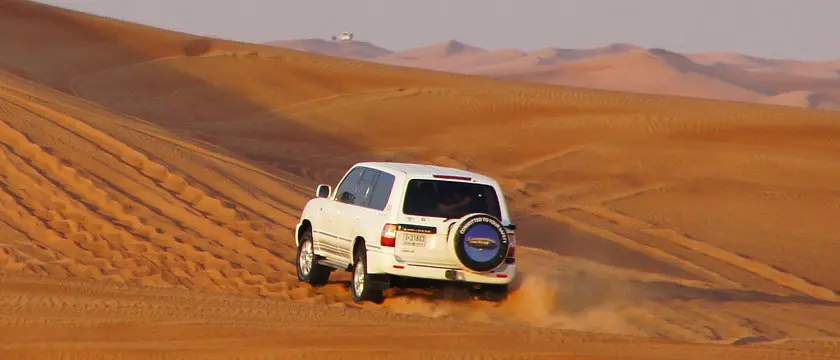
Everyone thinks about winter. Snow, ice, and dead batteries are common worries on a cold morning. But in the high parts of western Colorado, summer can hurt cars just as much. A lot of people do not notice it until it happens.
The Hidden Toll of Heat and Dry Air
Desert heat does not make your car stop working in one day. It takes away a little of your car’s health every single day. Batteries can lose power, rubber parts can dry out and split, tires can lose air, and paint can fade under the hot sun. Dry air makes problems worse because it takes water out of seals and gaskets. They get smaller and can start to leak.
By the time you search Mechanic Near Me because you feel that something is wrong, the harm has often been getting worse for months. That is why it helps to go to a good Grand Junction shop like America’s Auto & Tire. Let them look at parts that heat may hurt before small things become big problems.
Your Battery Hates the Heat
Many people say that cold will kill batteries. But heat can also be just as hard on them.
High heat makes the chemical changes happen faster inside a battery. It also dries up the fluid the battery needs. The problem gets worse with every hot day. During a heat wave in Maryland in 2021, AAA got 5,095 roadside calls in just three days, and nearly 1,300 of them were battery-related. It notes that the lifespan of most batteries ranges from three to five years. There are some indications that point towards a bad battery, such as slow cranking of the engine, a battery warning light, and dim headlights.
In case your car battery is older than three years in an area with hot weather conditions, you need to have it inspected before the start of summer.
Tires, Rubber, and Seals
Hot weather and dry air are very difficult for anything that is made of rubber.
- Tires: Low-air-filled tires heat up very quickly on hot roads. It is advisable to test the pressure of the tires early in the morning when they are cool.
- Belts and hoses: They become brittle, crack, and can break anytime.
- Wipers: Sun dries up the blades, and they smear water instead of cleaning it.
- Seals and gaskets: They become smaller because of dry air. This results in leakage of oil and coolant.
Fluids Break Down Faster
Your car uses a few important fluids. There is oil, coolant, transmission fluid, brake fluid, and power steering fluid. If any of them get low, your car can overheat. AAA says you should check all these fluids. Be sure to use the kind that is written in your owner’s manual.
This easy guide on keeping your car cool in summer gives you some simple tips. It says to try to park your car in the shade if you can. Adding these habits will help you a lot.
The Inside of Your Car Suffers Too
Dashboards can crack. Leather seats fade, and they split too. The heat inside a car can hurt the electronics. Plastic inside your car might bend. If you leave things on the seat, the sun can bake them. A windshield sunshade and window tint really help. Parking in a garage or under cover is also good.
Build a Simple Desert Car Care Routine
You do not need to know a lot about cars. A quick routine takes care of most things.
- Replace the battery every spring after 3 years.
- Check tyres monthly, including the spare tyre.
- Look at the belts and hoses when you go for an oil change.
- Do not allow coolant or other fluids to go low or run out, and use the correct fluids.
- Keep an emergency kit on hand which includes water, jumper cables, and a flashlight.
- If you’re unsure, you can type in Mechanic Near Me. Speak to a retail establishment in your area and request a tune-up prior to summer. In comparison to how bad it can get to be on a hot 100-degree day, it’s not that much of a price to pay.
Frequently Asked Questions
Does heat cause battery depletion?
Yes. The heat causes the interiors to wear off quicker and fluids to get low. That is why a battery ceases to function more in summer.
How often to check tyre pressure in Summer?
Check your tires at least once a month. Check them prior to embarking on a long trip. Look for them when they are cool.
Which is the most “forgotten” heat problem?
Belts and hoses can appear good. However, they can break somewhat suddenly.
Conclusion
Desert conditions can damage your vehicle’s tires, parts, and fluids, as well as damage the interior. This takes place daily. Fortunately, some basic tests can identify most problems early. Establish a basic plan, maintain an emergency kit in the vehicle, and schedule a vehicle inspection before the temperatures rise. Once it’s time, look for “Mechanic Near Me” and choose one that understands the damage that a desert climate can cause to vehicles. Looking for the next heat wave?