


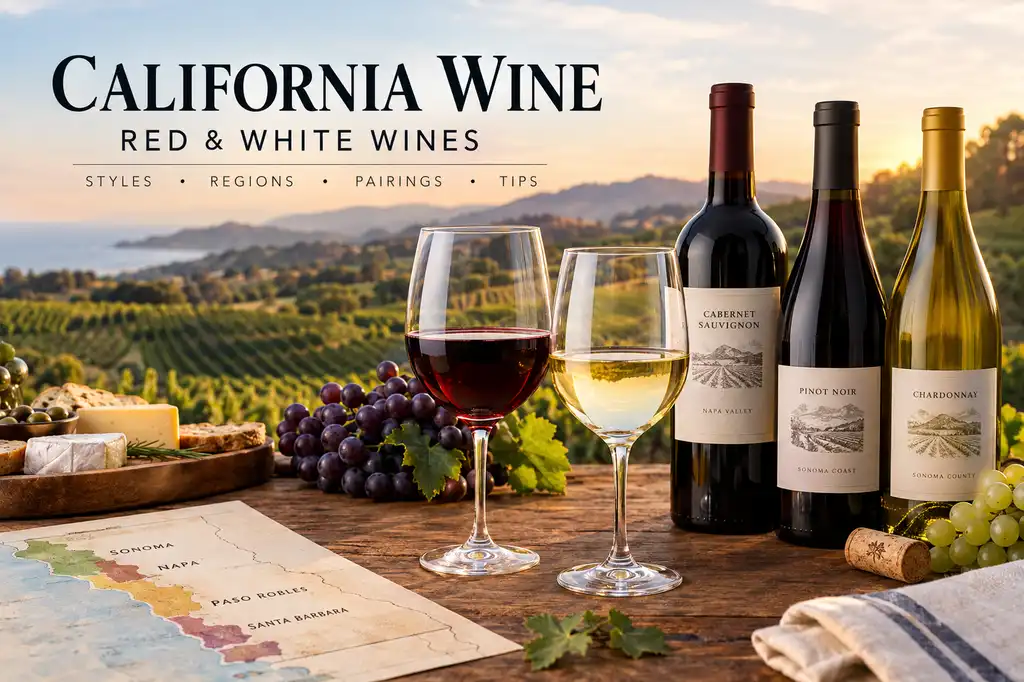
From Napa Cabernet to Coastal Chardonnay — A Tasting Journey Through California’s Vineyards
Few wine regions have captured global attention quite like California. Stretching from the misty hills of Sonoma to the sun-drenched valleys of Paso Robles, the state produces an astonishing range of styles — bold, fruit-forward reds and crisp, aromatic whites that have earned respect from sommeliers and casual drinkers alike. But with so many appellations, grape varieties, and winemaking philosophies at play, it can be difficult to know where to start.
Whether you’re building a home wine collection, planning a dinner party, or simply trying to make sense of a restaurant list, understanding the difference between California’s red and white wine traditions will make every bottle you choose feel a little more intentional. This guide breaks down the major styles, what makes them distinct, and how to think about pairing and serving them.
Why California’s Climate Matters So Much
Before diving into specific wines, it helps to understand why California wine tastes the way it does. The state’s diverse microclimates — shaped by coastal fog, elevation, and ocean proximity — create dramatically different growing conditions within just a few miles of each other.
- Coastal regions (Sonoma Coast, Russian River Valley, Santa Rita Hills) stay cool, producing wines with brighter acidity and more restrained fruit.
- Inland valleys (Napa Valley, Paso Robles, Lodi) run warmer, yielding riper fruit and fuller-bodied wines.
- High-elevation vineyards (Mount Veeder, Howell Mountain) get intense sun exposure but cooler nights, resulting in concentrated yet balanced grapes.
This patchwork of conditions is exactly why California can produce a delicate Pinot Noir and a powerhouse Cabernet Sauvignon within the same state — sometimes within the same county.
Types of California Red Wine
Red wine has long been California’s calling card, and a handful of varieties dominate the conversation. For a broader overview of the state’s red varietals before diving into specifics, DC Wine & Spirits’ guide to California red wine is a solid starting point.
Cabernet Sauvignon
Cabernet Sauvignon is the wine most associated with California, particularly Napa Valley. It’s known for:
- Deep color and full body
- Notes of black currant, cherry, and baking spice
- Firm tannins that soften with age
- A tendency toward oak aging, adding vanilla and toast notes
It pairs beautifully with red meat, aged cheeses, and hearty stews, and it’s often the centerpiece of a well-stocked cellar.
Pinot Noir
Where Cabernet is bold, Pinot Noir is elegant. Grown in cooler coastal areas like the Sonoma Coast and Santa Barbara County, California Pinot Noir tends to show:
- Lighter body and silky tannins
- Red fruit flavors like cherry and raspberry
- Earthy, sometimes floral undertones
- A versatility that works with everything from salmon to roasted chicken
Zinfandel
Often considered California’s “signature” grape due to its long history in the state, Zinfandel produces jammy, spicy reds with notable alcohol warmth. Old-vine Zinfandel from regions like Lodi and Sonoma can offer remarkable complexity, with notes of blackberry, black pepper, and dried herbs.
Syrah and Rhône-Style Blends
Particularly popular in Paso Robles and the Central Coast, Syrah brings smoky, peppery notes alongside dark fruit. It’s often blended with Grenache and Mourvèdre in “GSM” blends, a nod to the Rhône Valley winemaking tradition that many California producers have embraced.
Merlot
Sometimes overshadowed by Cabernet, Merlot from California can be softer, rounder, and more approachable, with plum and chocolate notes that make it a crowd-pleaser at gatherings.
Types of California White Wine
While reds get much of the spotlight, California’s white wines are just as diverse and, in many cases, just as celebrated internationally. If you want a deeper dive into the state’s white varietals, DC Wine & Spirits has a helpful breakdown of California white wine styles worth bookmarking.
Chardonnay
Chardonnay is California’s flagship white grape, and its style varies enormously depending on where — and how — it’s made.
- Oaked, buttery styles (common in Napa and Sonoma) offer creamy texture, vanilla, and tropical fruit.
- Unoaked, “naked” styles lean crisper, with green apple and citrus notes.
- Cooler regions like the Russian River Valley tend to produce more mineral-driven, food-friendly Chardonnays.
Sauvignon Blanc
Bright and zesty, California Sauvignon Blanc is known for citrus, grapefruit, and sometimes grassy or herbaceous notes. It’s a refreshing choice for warm weather and pairs naturally with seafood, salads, and goat cheese.
Pinot Gris/Grigio
Grown mostly in cooler coastal zones, California’s Pinot Gris tends to be light and easy-drinking, with pear and melon flavors — a great entry point for those newer to white wine.
Viognier
An aromatic white gaining popularity in the Central Coast, Viognier offers floral and stone-fruit notes (think peach and apricot) with a fuller body than most whites, making it a nice middle ground between light and rich styles.
Rosé (Often Grouped with Whites)
Though technically its own category, dry California rosé — often made from Grenache, Syrah, or Pinot Noir — has become a staple for warm-weather sipping, offering strawberry and citrus notes with refreshing acidity.
How to Choose Between Red and White
There’s no universal rule, but a few practical guidelines can help:
- Match intensity to the food. Rich, fatty dishes tend to favor bold reds; lighter, acidic, or delicate dishes often suit whites. For a closer look at what works best with heartier cuts and richer sauces, this guide on red wine pairing with food is a useful reference.
- Consider the season. Fuller reds like Cabernet and Zinfandel feel natural in cooler months, while crisp whites and rosés shine in summer.
- Think about the occasion. A celebratory dinner might call for something structured like a Napa Cabernet, while a casual get-together could be perfectly served by an easy-drinking Sauvignon Blanc.
For those exploring gifting options, a well-chosen bottle from a recognizable California appellation — paired with the right glassware or a small tasting note — tends to make a more memorable impression than a generic selection. Retailers such as DC Wine and Spirits offer curated selections that make it easier to send a thoughtfully chosen Napa Valley bottle rather than guessing at a store shelf.
A Quick Tasting Approach for Beginners
If you’re new to exploring California wine, try this simple method:
- Start with one red and one white from the same region (for example, a Sonoma Coast Pinot Noir and a Sonoma Coast Chardonnay).
- Taste them side by side with neutral foods like bread or mild cheese.
- Note the differences in acidity, body, and fruit character.
- Gradually expand into bolder styles like Zinfandel or oaked Chardonnay as your palate adjusts.
This approach helps you identify your preferences without becoming overwhelmed by the sheer number of options on the market.
FAQ: California Red and White Wine
Is California red wine generally sweeter than white wine?
Not necessarily. Sweetness depends on the winemaking style, not color. Most California reds and whites are made in a dry style, though some producers offer off-dry versions of Riesling, Zinfandel, or Chenin Blanc.
What’s the best California wine for a beginner?
A lighter-bodied option like Pinot Noir (red) or Pinot Grigio (white) is usually a gentle introduction, since both are approachable and less intense than bolder styles like Cabernet or oaked Chardonnay.
Does California wine need to be aged?
Most California wines, especially whites and lighter reds, are made to be enjoyed within a few years of release. Structured reds like Cabernet Sauvignon can benefit from additional aging, but it’s not required to enjoy them.
What’s the ideal serving temperature?
Reds are typically best around 60–65°F, while whites are best served chilled, around 45–50°F. Serving red wine too warm or white wine too cold can mute their flavors.
Final Thoughts
California’s wine landscape is far too diverse to sum up in a single “best” bottle — and that’s exactly what makes it worth exploring. From the structured richness of Napa Cabernet to the bright acidity of a coastal Sauvignon Blanc, each style tells a story about the land it comes from. The more you taste with intention — comparing regions, climates, and grape varieties — the more confident you’ll become in choosing wines that genuinely suit your palate and the moment you’re celebrating.
Whether you’re building your own collection or picking something special for someone else, understanding these fundamentals turns wine selection from guesswork into genuine appreciation.