


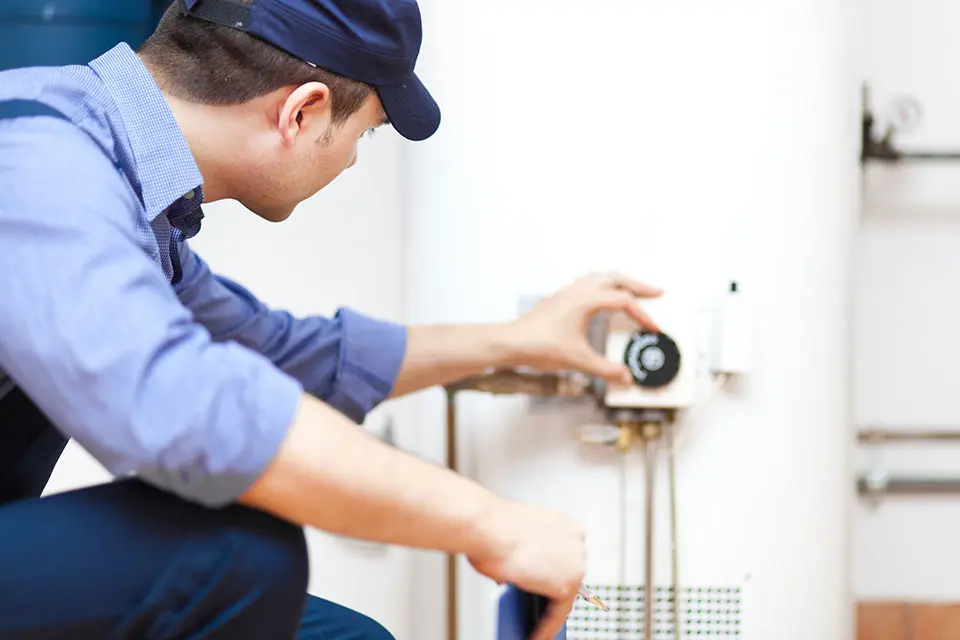
A dependable hot water system plays an important role in maintaining comfort, convenience, and efficiency throughout a home or commercial property. Water heaters support everyday activities such as bathing, washing dishes, cleaning, laundry, and preparing spaces for regular use. When a water heater stops working correctly, even ordinary household routines can become difficult. Some systems produce insufficient hot water, while others take too long to heat, make unusual noises, develop leaks, or deliver inconsistent temperatures. These problems may begin gradually, making it easy for property owners to overlook early warning signs until the equipment becomes unreliable. Timely water heater repair can help identify the source of these difficulties, restore proper operation, and prevent minor mechanical issues from developing into more expensive complications. Understanding how water heaters operate, recognizing common warning signs, and arranging professional maintenance can help property owners protect their equipment and maintain a consistent supply of hot water.
Understanding How Water Heaters Work
Water heaters are designed to raise the temperature of incoming water and store or deliver it for household and commercial use. Traditional storage systems maintain a supply of heated water inside an insulated tank, allowing users to access hot water when needed. These units generally rely on heating elements or burners, thermostats, temperature controls, and other components that work together to maintain the desired temperature. Tankless systems operate differently because they heat water as it passes through the equipment rather than storing a large volume for later use. Although the designs vary, both types depend on properly functioning heating components, suitable water pressure, reliable connections, and appropriate safety controls. Understanding these basic functions makes it easier to recognize when an equipment problem may be affecting hot water delivery.Every water heater experiences regular operating demands as it responds to changing household usage. A busy home may require hot water for several showers, kitchen activities, laundry cycles, and cleaning tasks throughout the day. The system must be capable of meeting these demands without experiencing excessive strain or unnecessary energy consumption. When a component begins malfunctioning, the equipment may struggle to maintain the selected temperature or recover quickly after heavy use. Sediment accumulation, worn heating elements, faulty thermostats, and damaged connections can all influence performance. Professional inspection helps identify which component is responsible for the problem and whether the equipment can be restored through targeted servicing.
Recognizing Common Water Heater Problems
One of the most noticeable signs of a malfunctioning water heater is an inconsistent supply of hot water. Property owners may experience water that becomes warm but never reaches the expected temperature, or a shower that suddenly turns cold before the normal bathing routine is finished. These symptoms may be connected to a faulty thermostat, damaged heating element, burner problem, or insufficient heating capacity. In some situations, sediment accumulation inside a storage tank can reduce efficiency and interfere with heat transfer. The exact cause depends on the equipment design, age, condition, and usage requirements. Rather than repeatedly adjusting temperature settings or restarting the unit, property owners should arrange a proper inspection to determine why the system is failing to deliver dependable hot water.Other warning signs may involve unusual sounds, visible moisture, changes in water appearance, or unexpected increases in energy consumption. Rumbling and popping sounds can sometimes indicate sediment collecting at the bottom of a storage tank, while dripping around connections may suggest a loose fitting or damaged valve. Rust-colored water can point to corrosion within the tank or connected plumbing, although other supply-related causes should also be considered. A water heater that runs more frequently than usual may be struggling to maintain its temperature because of insulation problems, sediment, or failing components. Recognizing these symptoms early allows property owners to address developing concerns before they cause extensive damage or a complete loss of hot water.
Diagnosing Heating Element Failures
Electric water heaters generally use one or more heating elements to warm the water stored inside the tank. These components operate through electrical resistance and must function correctly to maintain the selected temperature. When an element becomes damaged, the system may produce lukewarm water, take longer to recover, or stop heating altogether. Some electric storage heaters use upper and lower elements, and a failure in either component can create different performance symptoms. A damaged thermostat or electrical connection may produce similar results, which is why accurate diagnosis is important. Replacing an element without identifying the underlying problem could leave the system vulnerable to further failures or cause the same symptoms to continue.Professional technicians inspect the heating elements, electrical connections, thermostats, and associated safety controls to determine which components require attention. Because water heaters combine electricity and water, electrical testing and internal repairs should be handled by qualified professionals who understand the manufacturer’s procedures and safety requirements. Before servicing an electric unit, the power supply must be isolated and the equipment checked using appropriate methods. Technicians can then determine whether an element can be replaced or whether another issue is preventing proper operation. Correct diagnosis helps ensure that repairs address the actual cause of the heating problem rather than temporarily masking the symptoms.
Repairing Thermostat Problems
A thermostat controls the temperature at which a water heater operates, making it an important part of the system’s overall performance. If the thermostat becomes inaccurate or stops responding correctly, water may become excessively hot, remain too cool, or fluctuate unexpectedly. In storage water heaters, thermostat problems can also affect how heating elements operate and how quickly the tank recovers after water usage. Property owners sometimes assume that inconsistent temperatures automatically indicate a damaged heating element, but the control system may actually be responsible. A professional assessment can help distinguish between thermostat failure, electrical issues, heating element problems, and other conditions that influence temperature regulation.Thermostat servicing should account for both performance and safety. Excessively high water temperatures can increase the risk of scalding, while temperatures that are too low may create comfort and hygiene concerns. Technicians evaluate the thermostat settings, inspect its connections, and determine whether the component is functioning according to the equipment’s specifications. If replacement is necessary, the new thermostat must be compatible with the water heater model and installed correctly. Proper temperature control helps the system operate more consistently while reducing unnecessary energy use and protecting household members from unsafe hot water conditions.
Addressing Sediment Buildup
Minerals naturally present in water can settle inside storage water heaters over time, particularly when the system receives water with a high mineral content. As sediment collects at the bottom of the tank, it can interfere with heat transfer and make the heating process less efficient. The equipment may need to operate longer to reach the desired temperature, increasing energy consumption and placing additional demands on its heating components. Sediment can also contribute to rumbling, popping, or crackling sounds as water heats beneath accumulated deposits. If the buildup becomes substantial, the system may struggle to provide consistent hot water or experience additional wear. Regular inspection and appropriate maintenance can help manage these conditions.Flushing a storage water heater may help remove loose sediment and improve operating conditions, but the procedure must be suitable for the specific unit and performed according to manufacturer guidance. Older equipment may have drain valves or internal conditions that require additional care, and improper handling can create leaks or other complications. Professional technicians can determine whether flushing is appropriate, inspect the drain valve, and evaluate the overall condition of the tank. They can also discuss maintenance intervals based on water quality, equipment age, and usage patterns. Addressing sediment buildup before it becomes severe can help protect heating components and support more efficient system operation.
Repairing Water Heater Leaks
Water heater leaks should never be ignored because even a small amount of escaping water can cause damage to nearby flooring, cabinets, walls, and stored belongings. Moisture around the base of a storage tank may indicate a leaking connection, drain valve, temperature and pressure relief valve, or another component. In some cases, the tank itself may have developed corrosion or a structural weakness. The location of the water can provide useful clues, but it does not always reveal the exact source because moisture may travel along pipes or equipment surfaces before becoming visible. A professional inspection is necessary to identify the cause and determine whether the affected component can be repaired safely.If a leak is significant, property owners should take appropriate precautions and arrange professional assistance promptly. Where it is safe and practical, the water supply to the unit can be shut off to limit further water loss. Gas or electrical power should only be isolated using the appropriate procedure and when it can be done safely. A leaking storage tank may not be repairable if corrosion has damaged its structure, while a faulty connection or replaceable valve may be addressed without replacing the entire unit. Accurate diagnosis helps property owners understand the difference between a manageable component problem and a condition that requires equipment replacement.
Maintaining Gas Water Heaters
Gas water heaters use a burner to generate heat, which is transferred to the water inside the storage tank or through a tankless heating assembly. These systems rely on several components, including the gas supply, burner, ignition system, thermostat, ventilation arrangement, and safety controls. If the burner becomes dirty or the ignition system fails, the unit may struggle to heat water or may stop operating altogether. A pilot light that repeatedly goes out, unusual burner behavior, or an error indicator can also suggest a developing problem. Because gas appliances involve combustion and ventilation, servicing should always be handled by qualified professionals who understand the equipment and applicable safety requirements.During a professional inspection, technicians may examine the burner assembly, ignition components, gas connections, ventilation, and safety controls. They can identify issues that affect combustion and determine whether cleaning, adjustment, or component replacement is necessary. Any suspected gas leak, unusual combustion smell, or concern involving exhaust gases should be treated seriously. Property occupants should leave an unsafe area and contact the appropriate emergency or gas service rather than attempting to investigate or repair the problem themselves. Proper servicing helps maintain safe operation while supporting reliable hot water production.
Understanding Tankless Water Heater Issues
Tankless water heaters provide hot water on demand by heating water as it moves through the unit. Since these systems do not depend on a large storage tank, they can offer a compact arrangement and reduce standby heat loss. However, they still contain components that require regular inspection and maintenance. Mineral deposits may accumulate inside the heat exchanger, restricting water movement and reducing heating efficiency. Flow sensors, ignition components, temperature controls, and other parts can also develop faults over time. Property owners may notice fluctuating temperatures, reduced flow, delayed heating, or error codes when the equipment is not operating correctly.Tankless equipment often requires maintenance procedures that differ from those used for traditional storage heaters. Depending on the manufacturer’s instructions and water conditions, periodic descaling may be necessary to remove mineral deposits from the heat exchanger. Technicians can also inspect filters, sensors, ventilation, and other components to identify developing problems. Correct maintenance helps preserve heating performance and reduces the likelihood of unexpected shutdowns. Property owners should avoid ignoring repeated error messages because they may indicate a condition that needs professional attention. A qualified technician can interpret the equipment’s diagnostic information and recommend repairs based on the actual fault.
Improving Hot Water Recovery
Hot water recovery describes how quickly a storage water heater can restore its supply after heated water has been used. If recovery becomes unusually slow, household members may find that hot water runs out during normal activities. This problem can result from a failing heating element, burner issue, thermostat malfunction, sediment accumulation, or a system that is undersized for the property’s current demand. Changes in household occupancy and the addition of new appliances can also increase hot water requirements. Identifying the cause is important because simply raising the temperature setting may not resolve the underlying issue and could create an unnecessary scalding risk.A professional technician can evaluate the equipment’s capacity, heating components, recovery performance, and usage demands. If the system is functioning correctly but consistently struggles to meet household needs, the property’s hot water requirements may have changed since the original installation. In that situation, the owner may benefit from discussing equipment sizing and possible upgrades. When a mechanical fault is responsible, repairing the affected component may restore normal recovery performance. A properly maintained and correctly sized water heater can support more predictable hot water availability without requiring unnecessary adjustments or excessive energy consumption.
Reducing Energy Consumption
Water heaters can account for a noticeable portion of a property’s energy use because they repeatedly heat water throughout the day. When equipment develops mechanical problems or accumulates sediment, it may require more energy to maintain the desired temperature. Poor insulation, faulty controls, leaking hot water connections, and excessive temperature settings can also contribute to unnecessary consumption. Property owners who notice a sudden increase in utility bills should consider whether their water heater is operating efficiently. Although energy costs can change for many reasons, a professional assessment can identify equipment problems that may be increasing operating expenses.Improving efficiency does not always require purchasing a completely new water heater. In some cases, cleaning, replacing a faulty thermostat, repairing a leaking connection, or addressing sediment buildup can improve performance. Insulating suitable hot water pipes may also help reduce heat loss as water travels to fixtures. However, maintenance and insulation choices should follow manufacturer recommendations and applicable safety guidance. A technician can explain which improvements are appropriate for the existing equipment and whether the expected benefits justify the cost. Keeping the system in good condition helps property owners manage energy use while maintaining dependable hot water delivery.
Knowing When Replacement Is Necessary
Although many water heater problems can be repaired, some conditions make replacement a more practical long-term option. A storage tank with significant internal corrosion may continue leaking even after individual external components have been serviced. Equipment that experiences frequent failures can also become expensive to maintain, particularly when replacement parts are difficult to obtain or the unit is approaching the end of its expected service life. Repeated performance problems, major tank leakage, and extensive corrosion should therefore be evaluated carefully. The decision should consider the equipment’s age, repair history, current condition, energy performance, and the estimated cost of restoring reliable operation.Professional advice can help property owners compare the cost and benefits of repair with those of installing a new system. A relatively minor component failure may justify repairing an otherwise dependable water heater, while a severely deteriorated tank may require replacement to avoid further water damage. When selecting new equipment, property owners should consider household size, hot water demand, energy source, available installation space, and operating costs. Proper sizing is especially important because an undersized unit may struggle during periods of heavy use, while an unnecessarily large system may increase purchase and operating expenses. Making an informed decision helps ensure that the selected solution meets the property’s actual requirements.
Routine Water Heater Maintenance
Regular maintenance can help identify developing problems before they interrupt hot water service. A professional inspection may include checking visible connections, examining valves, reviewing temperature controls, and assessing the overall condition of the equipment. Storage water heaters may also require suitable sediment management, while tankless systems may need periodic descaling depending on water quality and manufacturer instructions. The maintenance schedule should reflect the type of unit, its age, operating conditions, and the recommendations provided by the manufacturer. A consistent maintenance routine can help reduce unexpected breakdowns and make it easier to identify components that may need attention.Property owners can support professional maintenance by paying attention to changes in equipment performance. Unusual sounds, inconsistent temperatures, moisture near the unit, or unexplained increases in energy use should be reported rather than ignored. It is also useful to keep the area around the water heater clear so that technicians can access the equipment safely during inspections. Important installation documents and service records should be retained because they provide useful information about previous repairs and replacement parts. These simple practices help maintain awareness of the system’s condition and support more effective servicing throughout its operating life.
Choosing Professional Plumbing Services
Selecting a qualified plumbing professional is important because water heaters combine water connections, heating equipment, electrical or gas components, and safety devices. Incorrect repairs can create additional equipment damage or expose occupants to electrical, gas, pressure, or scalding hazards. Property owners should look for experienced technicians who understand different water heater designs and can diagnose problems accurately. A dependable service provider should explain the identified issue, discuss suitable repair options, and provide clear information about the work required. Professional communication also helps homeowners understand whether a component can be repaired or whether the condition of the equipment makes replacement a better choice.Roland Black offers plumbing services to help property owners address water heater concerns and maintain dependable plumbing equipment. When a system develops inconsistent temperatures, leaks, unusual noises, or heating problems, professional water heater repair can help identify the cause and determine an appropriate solution. A knowledgeable technician can inspect the unit, evaluate its components, and recommend work based on the equipment’s condition and the property’s hot water requirements. Choosing professional assistance helps ensure that repairs are approached carefully, with attention to performance, safety, and long-term reliability.
Conclusion
A properly functioning water heater is essential for maintaining comfort and supporting everyday activities throughout a property. Heating element failures, thermostat problems, sediment buildup, leaking connections, and burner issues can all interfere with reliable hot water delivery. Recognizing early warning signs and arranging professional inspections can help property owners address these problems before they become more disruptive or expensive. Timely water heater repair may restore normal operation, improve efficiency, and extend the useful life of suitable equipment. When a system has severe corrosion, repeated failures, or an unrepairable tank leak, professional guidance can help determine whether replacement is the more practical option. By combining appropriate servicing with routine maintenance and responsible equipment use, property owners can maintain dependable hot water and protect their investment for years to come.