


Selecting the right equipment for industrial or commercial applications is critical to ensuring long-term performance and operational efficiency. The decision-making process involves careful consideration of various factors including equipment durability, compatibility with existing systems, and the total cost of ownership. This article provides an in-depth guide on making informed equipment selections, with an emphasis on maintaining performance over extended periods.
Understanding Equipment Requirements
The first step in the selection process is to clearly define the operational requirements. This includes understanding the specific tasks the equipment must perform, the expected frequency of use, and the environmental conditions it will face. For instance, equipment exposed to harsh weather conditions will require more robust construction to withstand wear and tear.
Failing to accurately assess equipment requirements can lead to premature failures, increased maintenance costs, and disruptions in workflows. Therefore, investing time to evaluate needs upfront is a crucial aspect of long-term performance planning.
Evaluating Durability and Build Quality
Durability is often the defining factor between equipment that lasts and equipment that requires frequent replacement. Materials used in construction, manufacturing processes, and design quality contribute significantly to the lifespan of any equipment. It is advisable to choose machinery built from high-grade metals or composites that resist corrosion and mechanical stress.
Additionally, industry certifications and standards can serve as benchmarks for quality assurance. Equipment meeting recognised standards tends to deliver better reliability, which is essential for sustained operational effectiveness.
Compatibility and Integration
When selecting new equipment, compatibility with existing systems should not be overlooked. Incompatible equipment can entail additional costs, such as the need for adaptors or system redesigns, which may detract from long-term efficiency.
Ensuring that new machinery aligns with current technologies and interfaces facilitates smoother integration, lowers the risk of operational errors, and improves overall productivity.
Energy Efficiency and Environmental Considerations
Modern equipment selection increasingly focuses on energy efficiency and reducing environmental impact. Energy-efficient equipment not only lowers operational costs but also complies with evolving regulatory requirements related to emissions and sustainability.
Choosing equipment designed to optimise energy use can contribute substantially to long-term financial savings and corporate social responsibility objectives.
Maintenance and Support Infrastructure
Long-term performance is closely tied to the availability of maintenance services and support from manufacturers or suppliers. Selecting equipment from reputable suppliers ensures access to spare parts, technical assistance, and routine servicing, all of which extend equipment life and maintain optimal performance.
Establishing a maintenance schedule aligned with manufacturer recommendations prevents unplanned downtime and reduces the likelihood of costly repairs.
Cost Analysis: Initial vs Long-Term Investment
While initial purchase prices are a significant consideration, they should not overshadow the importance of evaluating total cost of ownership. This includes operating costs, maintenance expenses, potential downtime, and resale value.
Investing in high-quality equipment upfront may necessitate a higher capital expenditure but often results in lower costs over time, enhanced reliability, and better performance consistency.
Case Focus: Importance of Equipment Selection in Welding Processes
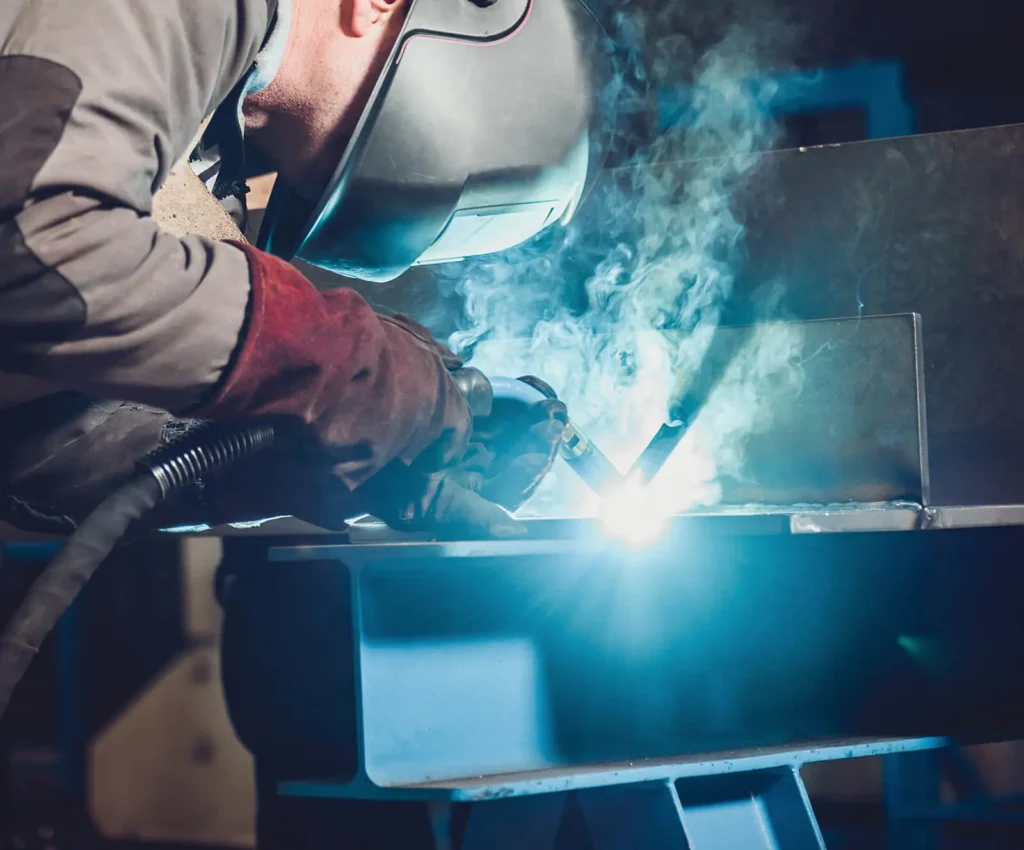
In industries involving metal fabrication and repairs, choosing the appropriate welding equipment is vital. Processes such as gas welding require specific gas mixtures and compatible apparatus to ensure safety and high-quality welds.
The equipment must be capable of maintaining consistent temperature control and gas flow rates to prevent defects. Selecting the right welding gases and compatible apparatus supported by reliable manufacturers can significantly improve durability and the integrity of finished products.
Technological Advances and Equipment Selection
Advancements in technology regularly influence equipment capabilities and selection criteria. Automation, digital monitoring, and smart sensors provide opportunities to enhance performance and predictive maintenance.
Incorporating modern technology in equipment selection supports real-time data collection, which assists operators in making informed decisions and preemptively addressing equipment issues.
Training and Skills Considerations
Choosing sophisticated equipment requires an assessment of workforce capabilities. Operators must be trained adequately to handle complex machinery to ensure both safety and efficiency.
Investment in training contributes to utilising equipment to its full potential and prevents operational errors that could reduce equipment lifespan.
Supplier Reputation and Reliability
The reliability of equipment is often tied to the reputation of its supplier or manufacturer. Engaging with suppliers known for their product quality, customer service, and technical support enhances confidence in the equipment’s long-term performance.
Additionally, long-standing relationships with suppliers may provide benefits such as better pricing, priority service, and quicker access to upgrades or replacement components.
Scalability and Future-Proofing Equipment Choices
It is prudent to select equipment that allows for scalability in response to changing business needs. Modular designs or adaptable systems enable capacity expansion without the need for complete replacement.
Future-proofing the equipment choice can also involve selecting machinery compatible with emerging technologies or standards, thereby protecting investments against obsolescence.
Health and Safety Compliance
Equipment must comply with health and safety regulations relevant to its application. Compliance not only ensures legal adherence but also safeguards personnel and minimises risk of accidents.
Considering safety features during the selection phase can prevent costly modifications later and promotes a safe working environment.
Environmental and Regulatory Compliance
Environmental regulations governing emissions, waste disposal, and resource usage impose constraints on certain types of equipment. Selecting equipment compliant with these regulations avoids penalties and supports sustainable practices.
It is essential to stay informed of regulatory changes and factor them into procurement decisions to maintain continuous compliance.
Conclusion
Choosing equipment for long-term performance is a multifaceted task that requires attention to durability, compatibility, maintenance support, and compliance with regulatory standards. Thorough assessment of operational needs, cost implications, and supplier reliability ensures that investments yield maximum benefits over time.
Industries such as welding exemplify the necessity of precise equipment selection, where components like gas welding gases and apparatus must align perfectly to guarantee quality outcomes. By adopting a strategic, informed approach, businesses can enhance productivity, reduce downtime, and secure sustainability in their operations.