


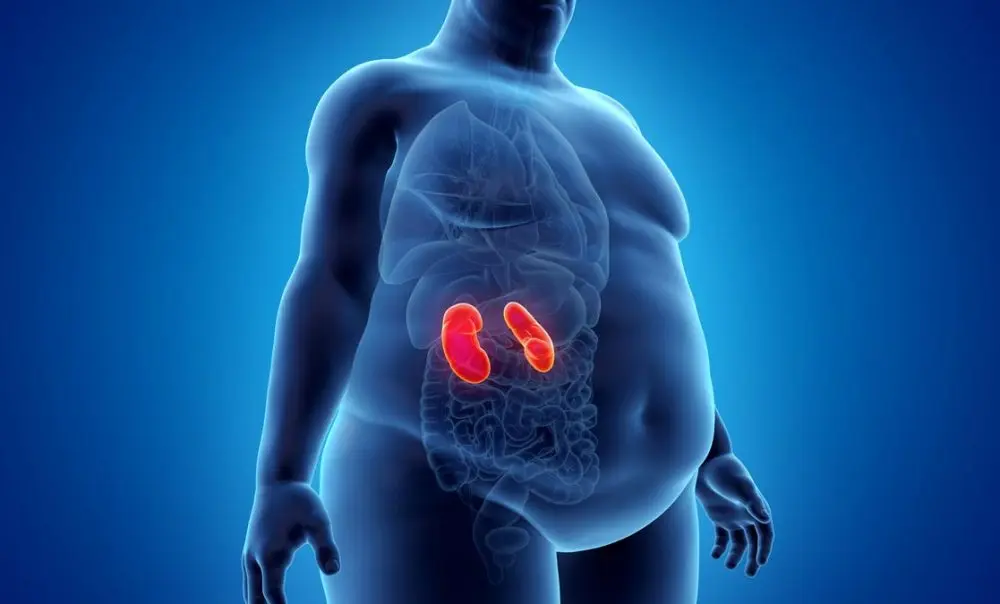
Extra weight gets blamed for a lot. Bad knees. Rising blood pressure. Diabetes creeping in slowly.
Two organs rarely come up in that conversation. Yes, we are referring to the kidneys – working silently and cleansing your blood all the time.
Most people don’t care about these organs until a serious problem starts. Usually, when it comes to that moment, too late is the case.
Let’s talk about that openly. Not to lecture anyone about weight. Just to give you an explanation of what really happens in the body, what to look for, and what to do.
What Do the Kidneys Actually Do?
They clear waste and excess fluid from your blood. They help control blood pressure. They balance minerals, support healthy bones, and keep your blood in good shape too.
All day. Every day. Silently. Carrying extra weight changes the workload here. More body mass means more blood volume to filter, which pushes the kidneys into something close to overdrive.
Over months, sometimes years, that overdrive wears down the tiny filtering units. Doctors call it hyperfiltration.
Eventually protein starts showing up in the urine. Quietly. Often that’s the very first sign anything’s wrong at all.
How Strong Is This Connection, Actually?
Stronger than you’d ever imagine. According to WHO figures in an NIH PubMed Central article, nearly 2.5 billion adults were obese in 2022.
As per another research report, obesity raises your likelihood of suffering from kidney disease by 1.81 times more than a healthy person.
Why Does The Excess Weight Really Harm Your Kidneys?
Not one single cause. A few things, working together.
- Hyperfiltration, for one. The kidneys end up filtering more blood than they were ever built to handle, and the internal structures wear down bit by bit.
- Then there’s blood pressure. Extra weight pushes it up, and high pressure inside those tiny kidney vessels does real, lasting damage.
- Insulin resistance too, which often slides into type 2 diabetes. High blood sugar happens to be one of the biggest causes of kidney damage in the world.
- And chronic inflammation. Fat tissue gives inflammatory signals that gradually damage the kidneys.
This unfolds over years, and many people notice the issues much later.
What Are the Early Warning Signs?
Early kidney damage stays quiet. Most people feel totally fine, even after losing a real chunk of kidney function.
- Fluid retention.
- Swelling of legs, ankles, and sometimes around the eyes.
- Foamy or frothy urine.
- Unexpected exhaustion that doesn’t correlate with your physical load.
- More frequent urge to urinate, particularly during nighttime.
- Uncontrolled high blood pressure for a long time.
Any single one of these, on its own, doesn’t prove much. But together, or if they hang around, get it checked. Don’t just explain it away.
How Do Doctors Actually Check for This?
Two tests, usually. Nothing invasive about either one.
- First, a blood test. It measures creatinine, and from that your doctor calculates something called eGFR, basically an estimate of how well your kidneys are filtering.
- Second, a urine test, checking for protein or albumin. This one often catches trouble early, sometimes well before any symptoms show up at all.
If either result looks off, expect a follow up. Maybe an ultrasound, maybe a more detailed kidney workup.
Can Losing Weight Actually Help the Kidneys?
Yes. And the evidence backing this up is genuinely encouraging. Even a modest drop, somewhere around 5% to 10% of body weight, has been shown to cut down protein leakage and take pressure off the kidneys’ filtering units. Blood pressure tends to improve too. Blood sugar usually improves alongside it.
What Does Treatment Actually Involve?
It builds up in stages. Simple first. More advanced only if it’s actually needed.
- Dietary changes. Cutting back on sodium and processed food eases the kidneys’ workload pretty directly.
- Regular physical activity, which works on weight, blood pressure, and blood sugar all at the same time.
- Medications for blood pressure or diabetes. Often chosen specifically because they protect kidney function too, not just as an afterthought.
Bariatric surgery is also effective for patients dealing with severe obesity and related complications.
Can This Be Prevented Before It Starts?
Prevention here overlaps a lot with general heart and metabolic health. That’s actually helpful. Think of it less as a task and more as looking after yourself, a little each day:
- Check your blood pressure and blood sugar, especially if they run in the family.
- Weave some movement into your routine. A short walk still counts for something real.
- Stay hydrated, and go easy on painkillers so that your kidneys do not get affected.
- Get periodic checkups if you’re carrying excess weight, symptoms or not.
When Should You Actually See a Doctor?
Don’t wait around for obvious symptoms.
- Your BMI is over 30, and it’s been a while since your kidney function was checked
- You’ve noticed swelling, foamy urine, or unusual tiredness
- You have diabetes or high blood pressure along with extra weight
- A family member has dealt with kidney disease or kidney failure
A qualified nephrologist in Mira Road can run the right tests to see exactly how your kidneys are doing, and help build a plan that protects them going forward, whether that’s lifestyle changes, medication, or something more advanced.
The Bottom Line
The link between excess weight and kidney health doesn’t get talked about enough. Mostly because kidney damage stays quiet for so long. Here’s the reassuring part. This connection runs both ways. The good news? Just as excess weight slowly strains your kidneys, losing that weight can take the pressure off and, in many cases slow or even reverse early damage. Catching it early is what turns a silent, creeping problem into something you can actually get ahead of.