


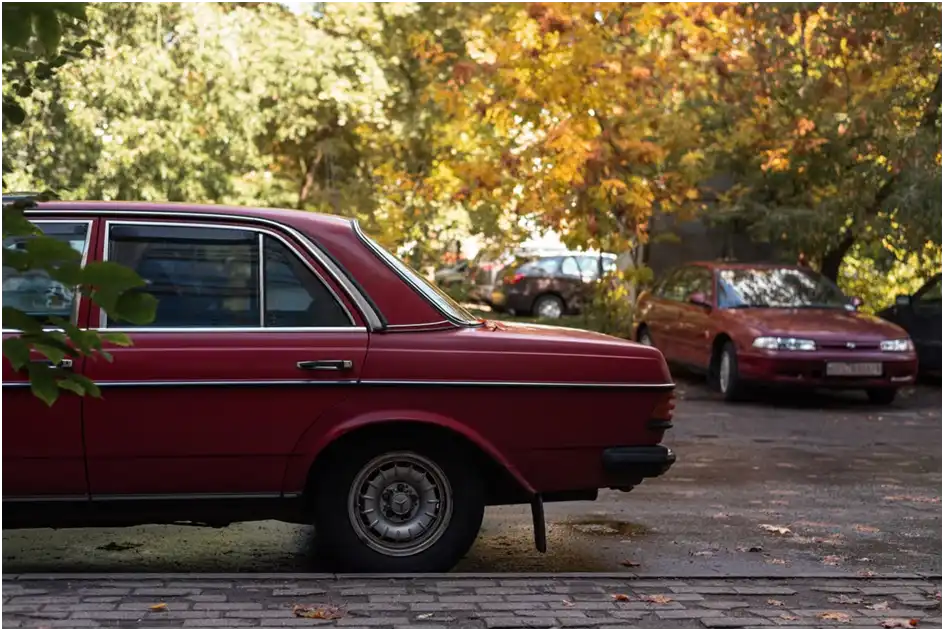
The longevity of a car is hardly ever an issue of luck. Though there are some cars that can go on to work well for many years, there are other cars that start getting into expensive trouble even without having traveled very far. The reason for such differences lies in engineering, maintenance practices, driving conditions, and the quality of the parts used in the car.
Engineering and Manufacturing Quality
Longevity of a vehicle starts way before a vehicle even gets to a dealer. The manufacturer takes many considerations concerning materials used, design of the components, production process, and the methods of quality control. Vehicles made from robust materials and systems, and those with solutions to engineering problems, tend to experience fewer mechanical breakdowns in future.
Simple mechanical systems also have their strengths since they typically consist of fewer parts which might fail at a later point in time. Ultimately, good engineering is the basis of reliability.
Consistent Maintenance and Timely Servicing
Vehicle maintenance is among the factors that significantly determine how long a car will last. No matter how well a car is made, maintenance becomes necessary as moving parts wear out gradually each time the car runs. This includes doing things such as oil changes, fluid checks, and maintenance schedules to avoid problems turning into major mechanical complications.
Maintaining your car according to the manufacturer’s schedule of maintenance is very crucial. It is not wise to postpone things like oil changes, failing to inspect worn-out belts, and avoiding checking strange sounds coming from the vehicle. By doing preventive maintenance, problems can be identified early enough and therefore avoided at a later stage when they would cost much money.
The Quality of Engine Oil and Lubricants
Protection of the engine from unnecessary wear and tear is greatly facilitated by the lubrication process. There is constant movement of parts inside the engine that produces friction and heat. Quality lubricants form a protective film between these parts that reduces the amount of direct contact of metal with metal while ensuring cooling and suspension of particles for filtration.
Lubricant formula, viscosity, additives, and compatibility with manufacturer recommendations may vary significantly depending on the specific product. Purchasing a premium product like the high-end Valvoline Restore and Protect 5W30 will help maintain engine cleanliness, protect moving components, and support consistent operation under demanding conditions. Selecting suitable oil and replacing it at recommended intervals can significantly contribute to long-term engine health.
Driving Habits and Everyday Vehicle Use
A driving style has the potential to greatly affect the longevity of a car. Hard accelerations, braking, speeding, and high revving of an engine place extra strain on the engine, transmission, brakes, and suspension. Modern cars are built to withstand difficult conditions; however, constantly operating a mechanical system beyond its usual capacity can lead to premature wear and tear of parts.
A soft driving style can aid in minimizing extra strain placed on a car’s engine and other mechanical parts. Starting a drive with a gradual warming up of an engine and smooth braking can be effective in preserving mechanical integrity. Short trips should also be considered, since on short trips an engine does not always warm up sufficiently, which can facilitate moisture and dirt buildup.
Component Durability and Replacement Part Quality
Dependability is the hallmark of a car and is determined by the reliability of its constituent parts. While most focus goes into the engine, other systems like the transmission, cooling, electrical, suspension, and braking systems can all affect the dependability of a car and may be responsible for repair costs.
The quality of the spare parts that you use is just as important as the durability of the original parts. Parts that are poorly manufactured or do not meet specifications will have a shorter lifespan than their counterparts. It is also easier to keep problems at bay when you take care of the issues before they spread to other parts.
Climate, Road Conditions, and Environmental Exposure
The environment plays a major role in determining the rate at which a car breaks down. Excessive heat, high humidity, road salts, dust, and rough road surfaces present significant challenges for the mechanical and physical parts of the car. Cars that are constantly subjected to these kinds of conditions might end up with rapid corrosion, suspension damage, cooling troubles, and battery malfunction.
Some precautions might be useful in minimizing these factors. Cleaning the car on a regular basis is useful in cleaning off corrosive deposits from underneath the vehicle, as well as checking the quality of the protective paint and fixing rusting spots. Drivers also need to check the pressure of their tires as well as their suspension systems, especially if they drive through bumpy roads.
The long-term reliability of a vehicle is due to several interrelated issues as opposed to one single issue. While no vehicle is 100% guaranteed against breaking down, being aware of the following six issues helps car owners to be better informed, avoid unnecessary damage, and drive a lot longer.