


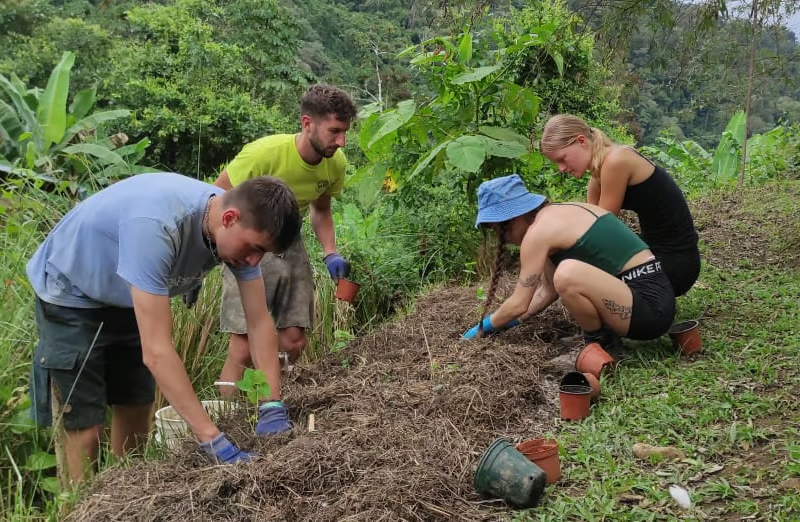
Thinking about packing your bags for a meaningful trip to Central America? Here’s what you should know before you commit to a volunteer Costa Rica experience, from safety concerns to the kind of impact you’ll actually leave behind.
Costa Rica consistently ranks among the safest and most peaceful nations in the region, which makes it an appealing starting point for first-time volunteers. But peace of mind isn’t the only reason people choose this country. Between its strong environmental policies and genuine need for community support, Costa Rica offers a rare combination: a secure setting paired with real, tangible ways to help.
Below, we’ve broken down the most common questions people ask before signing up, written to help you prepare with confidence.
Is Costa Rica Safe for International Volunteers?
Safety is often the first concern for anyone planning to volunteer abroad, and rightfully so. Costa Rica has built a reputation as one of the most stable countries in Latin America. The nation abolished its army decades ago, choosing instead to invest in education, healthcare, and environmental protection. This decision shaped a culture that values peace over conflict, and it shows in daily life.
That said, general travel precautions still apply. Petty theft can occur in tourist-heavy areas, so keeping valuables secure and staying aware of your surroundings is wise. Reputable volunteer organizations typically provide host family placements, orientation sessions, and around-the-clock support contacts, which significantly reduce risk for newcomers navigating an unfamiliar country.
What Makes Costa Rica a Popular Destination for Volunteering?
Costa Rica blends natural beauty with social need in a way few countries can match. Rainforests, coastlines, and cloud forests sit alongside communities facing real economic challenges. This contrast creates volunteer opportunities across a wide range of sectors, including education, healthcare, construction, animal welfare, and environmental conservation.
How Can Volunteers Ensure Their Work Is Responsible and Sustainable?
Responsible volunteering starts with choosing programs that prioritize long-term community benefit over short-term feel-good moments. Look for organizations that partner directly with local institutions, schools, and nonprofits rather than operating in isolation. Sustainable programs train volunteers properly, set realistic expectations, and avoid placing unqualified individuals in roles that could cause harm, particularly in healthcare or childcare settings.
Volunteers should also ask whether a program measures its impact over time. Does the organization track outcomes in the communities it serves? Are local staff involved in decision-making? Programs built on genuine partnership, rather than one-off visits, tend to produce results that last well beyond a volunteer’s departure date.
What Should Volunteers Prepare Before Arriving?
Preparation makes the difference between a smooth transition and a stressful one. Most programs require volunteers to be at least sixteen years old, with younger participants needing a parent or guardian present. A background check is standard for anyone working directly with children, which protects both volunteers and the communities they serve.
Beyond paperwork, mental preparation matters just as much. Volunteers should arrive with a flexible mindset, a willingness to work with limited resources, and realistic expectations about language barriers. Basic Spanish skills help, though many programs offer language support or pair volunteers with bilingual staff. Comfortable clothing suited to humid or rainy conditions, a reliable pair of closed-toe shoes, and an open attitude toward cultural differences go a long way toward a positive experience.
What Kind of Volunteer Work Is Available in Costa Rica?
Opportunities span a wide spectrum. Education-focused volunteers often teach English in underserved schools or community centers, helping students gain skills that open doors to better employment. Others work directly with children in daycare centers located in lower-income neighborhoods, offering attention and support that might otherwise be limited.
Environmental work includes sea turtle conservation along nesting beaches, eco-agriculture projects supporting sustainable coffee farming, and beach preservation efforts in protected coastal zones. For those drawn to hands-on labor, construction projects involve building or renovating schools, clinics, and community centers alongside local foremen.
Healthcare-oriented volunteers may assist in medical or dental campaigns, support elderly care facilities, or help with general wellness programs in communities with limited access to consistent care. Animal lovers can contribute to shelters caring for stray dogs and cats, particularly in coastal regions where abandonment is a recurring issue.
How Long Should a Volunteer Commit to a Program?
Commitment length varies based on personal availability and the type of project. Shorter stays, around one to two weeks, allow volunteers to contribute meaningfully while fitting the trip around work or school schedules. Many organizations recommend longer stays of two weeks or more, as this gives volunteers enough time to build relationships with the community, understand the project’s rhythm, and leave a more noticeable impact.
Work schedules typically run three to four hours daily on weekdays, leaving afternoons or mornings free to explore the surrounding area, practice Spanish, or simply rest. This balance helps prevent burnout while still allowing for genuine contribution.
What Lasting Impact Does Volunteering Leave Behind?
The impact of volunteering in Costa Rica extends in two directions. For communities, consistent volunteer support means children receive more individual attention, construction projects move forward faster, and conservation efforts gain the extra hands needed to protect vulnerable ecosystems and species. Programs that maintain long-term local partnerships see compounding benefits, as each volunteer group builds on the work of those before them.
For volunteers, the experience often reshapes perspective in ways that are hard to anticipate beforehand. Working alongside host families, local staff, and community members creates connections that outlast the trip itself. Many return home with stronger language skills, greater cultural awareness, and a renewed sense of purpose that influences academic or career choices moving forward.
Why Does Costa Rica Stand Out Among Volunteer Destinations?
Few countries combine environmental leadership, social need, and genuine safety as effectively as Costa Rica. Its “Pura Vida” philosophy, a phrase embodying simplicity and appreciation for life, permeates daily interactions and creates a welcoming environment for newcomers. Combined with a wide variety of project types and a stable political climate, Costa Rica offers volunteers a setting where their contribution feels both safe and significant.
Those considering this path should take time to research organizations carefully, ask detailed questions about program structure, and choose a project aligned with their skills and interests. Thoughtful preparation turns a well-intentioned trip into a genuinely impactful one, for the volunteer and the community alike.