
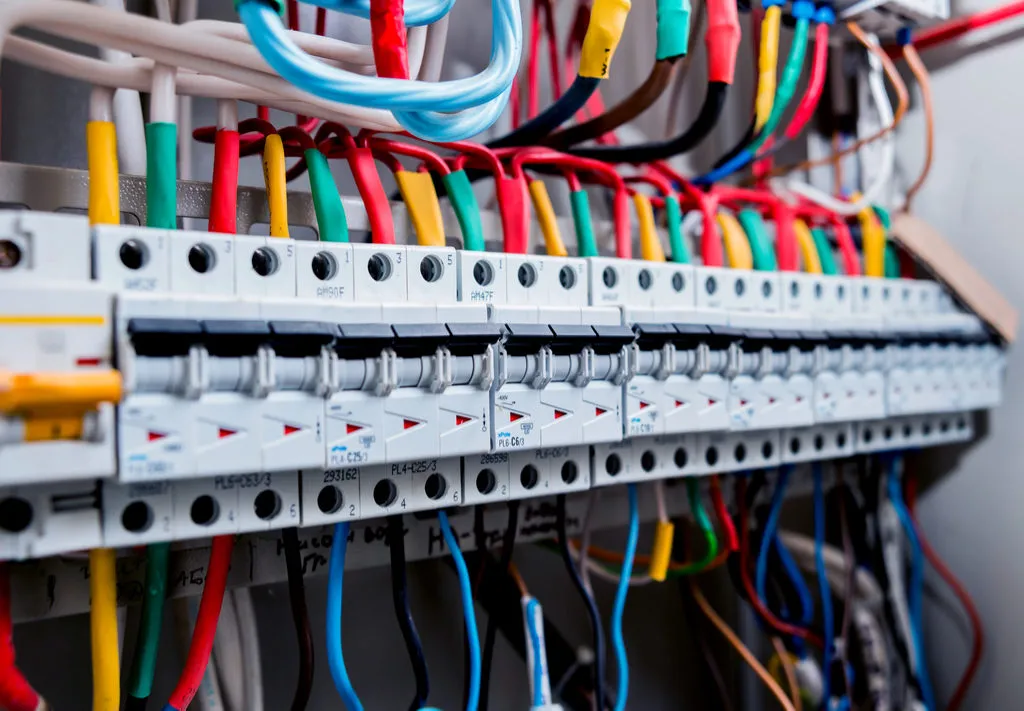
Older homes often hide outdated wiring and panels that struggle with today’s power demands. Smart electrical upgrades can slash fire risks, cut energy waste, and keep systems reliable. Discover the key improvements that protect your family and lower bills.
Introduction
Older homes carry charm, yet their electrical systems frequently lag behind modern needs. Aging panels, outdated wiring, and insufficient outlets create real hazards while driving up energy costs. Investing in the right improvements transforms these properties into safer, more efficient spaces. Professional residential electrical services for upgrades address overloaded circuits, flickering lights, and fire risks head-on. From panel replacements to energy-saving lighting, targeted work brings homes up to current codes and supports today’s appliances. Homeowners gain peace of mind knowing the system can handle daily demands without constant breaker trips or wasted electricity. These changes also boost long-term value and comfort.
Why Older Homes Need Electrical Attention
Many homes built decades ago were designed for far lighter electrical loads. Knob-and-tube wiring, fuse boxes, or undersized panels simply cannot support multiple high-draw devices running at once. This mismatch leads to frequent tripping, overheating, and higher utility bills. Expert insight shows that outdated systems waste energy through resistance in old wiring and inefficient fixtures. Addressing these issues early prevents larger problems and creates a foundation for safer living.
1. Electrical Panel Upgrades for Modern Capacity
The electrical panel serves as the heart of any home’s power distribution. In older properties, panels often lack the amperage needed for contemporary lifestyles. Upgrading to a higher-capacity panel allows the system to handle air conditioners, electric ranges, and charging stations without strain.
A new panel improves safety by incorporating modern breakers that respond faster to overloads. It also opens the door to better energy management. Homeowners should schedule a professional assessment to determine the right size and ensure full code compliance. This single step often resolves chronic tripping and prepares the home for future additions.
2. Whole-Home Rewiring to Eliminate Hidden Risks
Outdated wiring ranks among the most common safety concerns in older houses. Frayed insulation, aluminum wiring, or improper connections increase fire and shock hazards. Whole-home rewiring replaces these materials with current standards that carry power more efficiently and safely.
New wiring reduces resistance, which means less heat buildup and lower energy loss. It also supports proper grounding throughout the house. While the process requires careful planning, the result is a reliable system free from the intermittent failures that plague aging infrastructure. Pairing rewiring with a panel upgrade creates a comprehensive safety net.
3. Lighting Installation and LED Upgrades
Lighting presents one of the easiest paths to both safety and efficiency gains. Replacing outdated fixtures with LED solutions cuts energy use dramatically while delivering brighter, more consistent light. Recessed lighting and exterior security fixtures further enhance visibility and deter issues after dark.
LEDs last far longer and produce less heat than traditional bulbs, reducing strain on the electrical system. Smart controls can be added during installation for automated scheduling that further trims waste. These upgrades improve daily comfort and contribute to lower monthly bills without major disruption.
4. Surge Protection and Outlet Enhancements
Power surges from storms or utility fluctuations can destroy electronics and appliances in seconds. Whole-home surge protection installed at the panel shields every circuit. This measure proves especially valuable in older homes where wiring may already be compromised.
Updating outlets and switches adds another layer of safety and convenience. Installing GFCI outlets in kitchens, bathrooms, and laundry areas protects against shocks in wet locations. USB charging outlets and smart switches reduce clutter and support efficient device management. These targeted changes address common failure points while modernizing daily use.
5. Generator Installation for Uninterrupted Power
Outages leave older homes vulnerable, especially those with medical equipment or sump pumps. A professionally installed backup generator restores power automatically during interruptions. Proper sizing and transfer switch integration ensure seamless operation without overloading the system.
This upgrade pairs well with panel improvements, creating a resilient setup that maintains safety and comfort regardless of external conditions. Regular maintenance keeps the generator ready when needed most.
Practical Tips for Planning Upgrades
Start with a thorough inspection to identify the highest-priority issues. Look for signs such as warm outlets, buzzing sounds, or frequent breaker activity. Prioritize work that addresses both safety codes and efficiency goals. Combining projects often reduces overall disruption and cost. Always work with licensed professionals who understand local requirements and can recommend the most effective sequence of improvements.
FAQs
What signs show my older home needs an electrical upgrade?
Frequent breaker trips, flickering lights, warm outlets, or a panel that feels outdated signal the need for professional evaluation and possible improvements.
How does a panel upgrade improve efficiency?
A modern panel distributes power more effectively, reduces energy loss from overloads, and supports efficient appliances without constant interruptions.
Is whole-home rewiring always necessary in older houses?
Not always, but when wiring shows age-related damage or cannot meet current demand, full rewiring delivers lasting safety and performance gains.
Can LED lighting really lower my bills?
Yes. LEDs use significantly less electricity and last longer, producing measurable savings while improving light quality throughout the home.
Why add surge protection during upgrades?
It guards against sudden voltage spikes that damage electronics and can stress aging systems, providing whole-home protection in one installation.
Wrapping Up
Upgrading the electrical systems in older homes delivers clear returns in safety and efficiency. Panel replacements, rewiring, LED lighting, surge protection, outlet improvements, and generator installation address the most common vulnerabilities while supporting modern living. These targeted residential electrical services for upgrades reduce fire and shock risks, eliminate energy waste, and create a more reliable power foundation. Homeowners who act before problems escalate protect both their families and their investment. A professional assessment identifies the right combination of work for each property, ensuring results that last for years. Taking these steps transforms an outdated system into one that performs safely and efficiently every day.
Read Also: roof truss design