
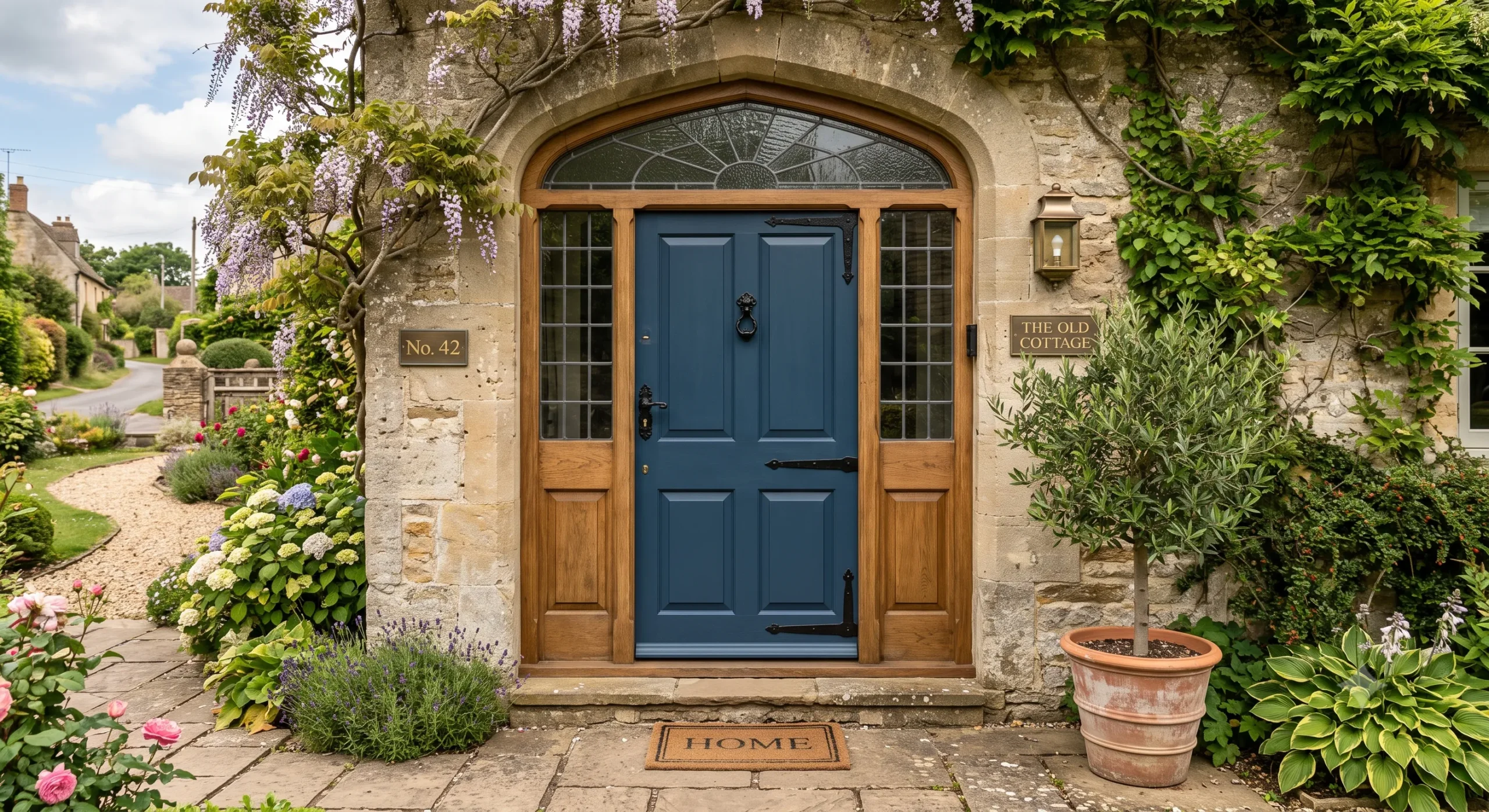
The entry door is one of the most important components of a home. It not only serves as the primary gateway to the property but also plays a key role in protection, aesthetics, and energy efficiency. Selecting the right entry doors requires careful consideration of several factors including materials, design, security features, and maintenance needs. This guide provides an in-depth look at the essential aspects homeowners should evaluate when choosing entry doors.
The Importance of Entry Doors
An entry door is more than just an opening; it establishes the first impression of a home. Its design can complement the architecture of the property or serve as a statement piece. Beyond aesthetics, entry doors provide security against intruders and protect the interior from weather conditions. Additionally, they contribute to the energy efficiency of the home by preventing drafts and heat loss.
Types of Materials for Entry Doors
Entry doors come in various materials, each with distinct advantages and limitations. The most common options include timber, steel, and fiberglass.
Timber Entry Doors
Timber doors are valued for their classic appearance and natural beauty. They offer good insulation and can be customised with different finishes and carvings. However, timber requires regular maintenance such as sealing or painting to prevent warping or rotting, especially in areas with high humidity or exposure to direct sunlight.
Steel Entry Doors
Steel entry doors are known for their durability and high security. They resist impacts and can deter forced entry. These doors often come insulated to enhance thermal performance. Although steel doors withstand adverse weather well, they are prone to rust if the protective coating is damaged, signalling the need for occasional upkeep.
Fiberglass Entry Doors
Fiberglass has become an increasingly popular choice due to its strength, low maintenance requirements, and resistance to dents and scratches. They mimic the look of timber effectively and offer excellent insulation. Fibreglass doors are especially suitable for climates with fluctuating temperatures or high moisture levels.
Key Security Features
Entry doors should incorporate security measures to protect the home and its occupants. Features such as multi-point locking systems, reinforced frames, and impact-resistant glass enhance security considerably. It is advisable to select doors that meet recognised security standards and consider professional installation for optimal performance.
Energy Efficiency Considerations
Energy-efficient entry doors can reduce heating and cooling expenses by minimising air leakage. Look for doors with a high-quality weather seal and insulated cores. Double- or triple-glazed glass inserts also improve thermal performance. Energy ratings provided by independent organisations can guide homeowners in choosing doors that contribute to a sustainable and cost-effective home environment.
Aesthetic and Design Options
Entry doors come in a variety of styles, from traditional panel designs to contemporary flush models. The choice depends on personal taste and the architectural style of the property. Homeowners can select colour schemes, hardware finishes, and decorative glass to tailor the door to their preferences.
Customised Versus Standard Doors
While standard entry doors are often more affordable and readily available, customised doors offer the advantage of matching exact dimensions and unique design features. Custom doors allow homeowners to incorporate personalised elements such as sidelights, transoms, or specific wood grains. However, custom options typically require a longer lead time and higher investment.
Maintenance and Longevity
The lifespan of entry doors varies with material and care. Timber doors tend to need more frequent maintenance compared to steel or fiberglass. Regular inspection for damage, timely repainting or refinishing, and keeping hardware lubricated help extend the useful life of the door. Investing in quality materials and professional installation also contributes to durability.
Installation Considerations
Proper installation is crucial to maximise performance and security of entry doors. Poorly fitted doors can result in drafts, reduced security, and operational difficulties. It is advisable to engage experienced professionals to ensure a precise fit and correct sealing. Additionally, appropriate thresholds and weather stripping complement the door installation to improve overall efficacy.
Cost Factors and Budgeting
The price of entry doors varies widely depending on material, design complexity, size, and hardware features. While it may be tempting to opt for cheaper solutions, investing in a quality door can yield long-term savings through reduced energy costs and lower maintenance expenses. Homeowners are encouraged to obtain multiple quotes and consider the door’s total value rather than just the initial cost.
Additional Accessories and Enhancements
Some entry doors can be enhanced with accessories such as smart locks, peepholes, door knockers, and decorative mouldings. Smart locks provide convenience and increased security through remote access and monitoring. Homeowners should evaluate these options based on their security needs and lifestyle priorities.
Compliance with Building Regulations
Entry doors must comply with local building codes and regulations, particularly concerning safety and fire resistance. It is essential to check with local authorities or building professionals to ensure the chosen door meets all legal requirements. This helps avoid potential issues during inspections or when selling the property.
The Benefits of Choosing the Right Entry Doors
Selecting the appropriate entry doors creates a welcoming entrance, enhances security, contributes to energy efficiency, and adds to the overall value of a home. A well-chosen door completes the facade and provides peace of mind to homeowners and occupants alike.
Where to Source Quality Entry Doors
Many specialist suppliers provide extensive ranges of entry doors with detailed specifications and customisation options. For reliable selections, entry doors from reputable manufacturers offer a balance of quality, style, and performance. Investigating supplier credentials and product warranties can assist homeowners in making informed decisions.
Conclusion
Choosing the perfect entry doors is a multifaceted process involving considerations of material, security, energy efficiency, design, maintenance, and compliance. By evaluating these factors thoroughly, homeowners can select doors that not only meet functional needs but also enhance the beauty and value of their homes. Engaging with trusted suppliers and professional installers further ensures a successful outcome.