
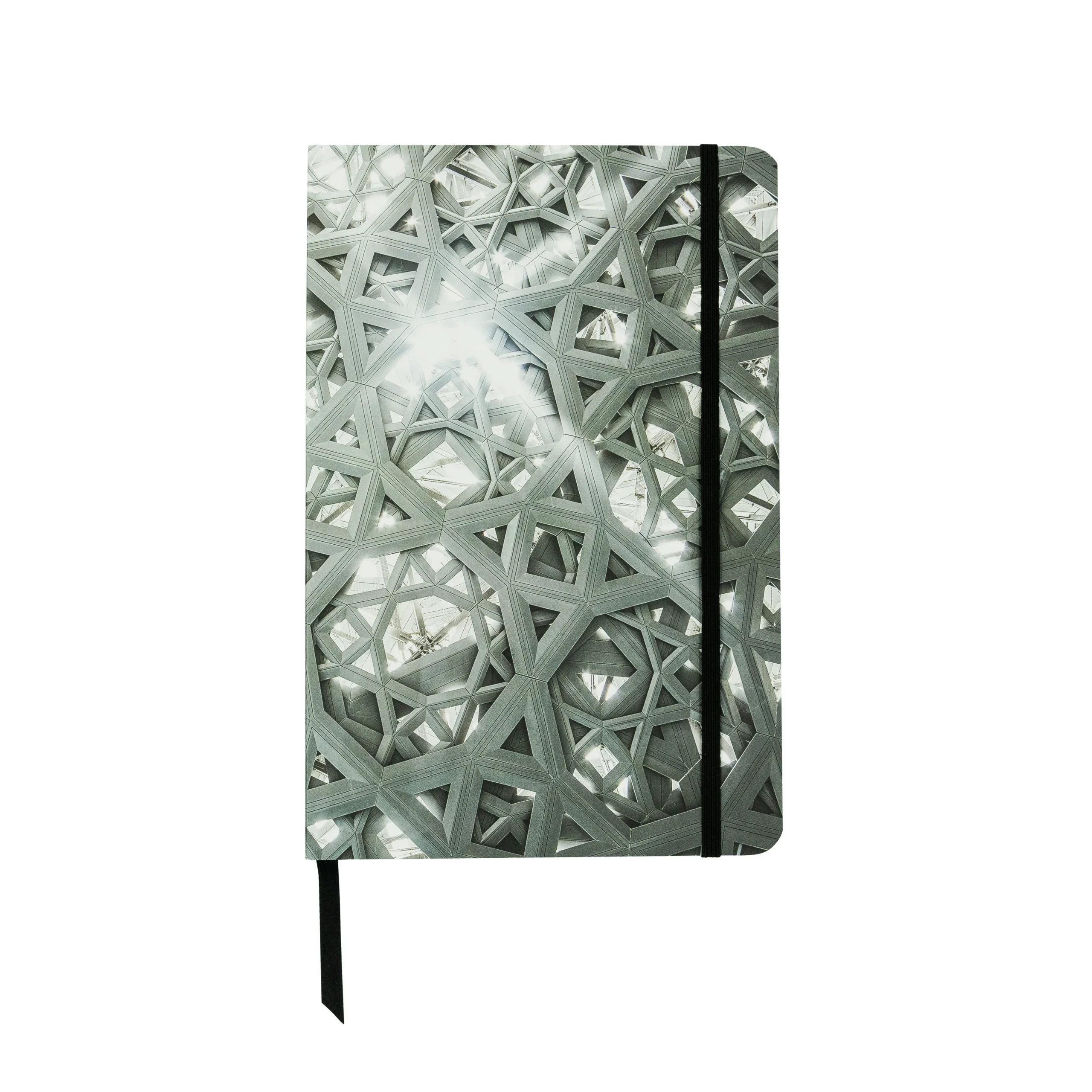
A notebook can be much more than a place to write down random thoughts. With the right approach, it can become a personal planner, creative space, memory keeper, learning tool, or idea bank. Whether you prefer structured writing or spontaneous sketches, using paper regularly can help organize information and turn everyday thoughts into something you can revisit later.
If you have an unused notebook sitting on your desk, here are 15 practical and creative ways to make it part of your daily routine.
1. Start a Daily Journal
Use a notebook to record what happened during your day. You can write about important events, small observations, challenges, or memorable moments. There is no need to write several pages. Even a few sentences each evening can create a useful record of your experiences.
2. Create a Daily To-Do List
Writing tasks on paper can make your day easier to organize. Start each morning by listing the most important things you need to complete. Divide larger tasks into smaller steps and cross them off as you finish them.
3. Keep an Idea Journal
Ideas can appear while travelling, working, reading, or having a conversation. Instead of relying on memory, dedicate a notebook to capturing these thoughts immediately. You can record business ideas, content topics, project concepts, questions, or solutions.
4. Make a Gratitude List
A simple gratitude practice can turn your notebook into a collection of positive moments. Write down three things you appreciated during the day. They can be as simple as a good meal, a productive conversation, or time spent with family.
5. Use It for Sketching
You do not have to be an experienced artist to draw. Use blank pages for quick sketches, shapes, objects, people, or places around you. Regular drawing can also help you develop observation skills and explore your visual creativity.
6. Build a Reading Journal
If you enjoy books, create a dedicated space for recording what you read. Write down interesting ideas, memorable passages, questions, and your personal response to each book. Over time, the notebook becomes a personal record of your reading journey.
7. Plan Your Week
A notebook can work as a simple weekly planner. Divide a page into sections for work, personal responsibilities, appointments, errands, and important goals. This gives you a quick overview of what needs attention throughout the week.
8. Create a Travel Journal
Take a notebook with you when travelling and document places you visit, foods you try, interesting conversations, and memorable experiences. You can also add ticket stubs, small sketches, maps, or notes about places you want to explore later.
9. Collect Quotes and Interesting Ideas
Whenever you come across a meaningful quote, useful concept, or interesting fact, write it down. You can organize these entries by themes such as creativity, learning, motivation, literature, or personal development.
10. Track Personal Goals
Turn your notebook into a goal-tracking system. Write down what you want to achieve, why it matters, and the steps required to reach it. Reviewing your progress regularly can help you identify what is working and where you need to make changes.
11. Create a Brain-Dump Page
When your mind feels crowded with unfinished thoughts, use a notebook for a quick brain dump. Write everything that comes to mind without worrying about grammar, organization, or presentation. You can organize the information later.
12. Practice Creative Writing
Use a notebook to write short stories, poems, character ideas, dialogue, or descriptions. Creative writing does not need to become a finished project. The purpose can simply be to experiment with words and develop your writing skills.
13. Design Your Own Page Layouts
Experiment with different layouts for planning, journaling, drawing, or note-taking. Try boxes, headings, timelines, symbols, or simple illustrations. Exploring different notebook design ideas can help you discover a format that matches the way you naturally organize information.
14. Keep a Learning Notebook
Create dedicated pages for something you are currently learning. This could include a language, professional skill, hobby, historical subject, or creative technique. Summarize concepts in your own words and revisit them regularly to reinforce what you have learned.
15. Create a Personal Inspiration Book
Use one notebook as a collection of things that inspire you. Add sketches, color combinations, design concepts, interesting observations, photographs, handwritten notes, or ideas from places you visit. Over time, it can become a visual and written source of inspiration.
How to Make Notebook Use a Daily Habit
The easiest way to use Notebooks consistently is to keep the process simple. Choose one purpose instead of trying to maintain several systems at once. Keep your notebook somewhere visible and decide when you will use it, such as during your morning routine or before going to bed.
The physical design can also influence how enjoyable the habit feels. An attractive cover, comfortable size, and suitable page layout can make you more interested in reaching for it every day. For people looking for a creative notebook, choosing one with an inspiring artistic design can make everyday writing and sketching feel more engaging.
You can also divide a notebook into sections using headings or page numbers. For example, the first section could contain daily plans, the second could be used for ideas, and the third could hold sketches or learning notes. This approach allows one notebook to serve several purposes without becoming difficult to manage.
Choosing the Right Notebook for Your Purpose
Think about how you intend to use the notebook before choosing one. Writers may prefer pages that provide plenty of writing space, while artists may want larger blank areas for sketches. Someone using it for planning may prefer a compact format that is easy to carry.
Design can also be part of the experience. Art-inspired stationery can make an ordinary writing routine feel more personal. The Louvre Abu Dhabi Boutique, for example, offers notebooks featuring artwork and cultural references, giving users options that combine everyday functionality with visual inspiration.
If you are searching for a Book Shop Abu Dhabhi, consider looking beyond traditional books and exploring stationery collections as well. A well-designed notebook can be useful for students, professionals, artists, travellers, readers, and anyone who enjoys putting ideas on paper.
Conclusion
A notebook does not need to have one fixed purpose. It can change with your needs and become a place for planning, creativity, learning, reflection, and memories. The best approach is to start with one simple idea and use it consistently.
Whether you write a few sentences, sketch for ten minutes, plan tomorrow, or record an idea that suddenly comes to mind, regular notebook use can turn blank pages into something genuinely useful. The key is not filling every page perfectly but creating a personal system that encourages you to keep returning to the notebook every day.