
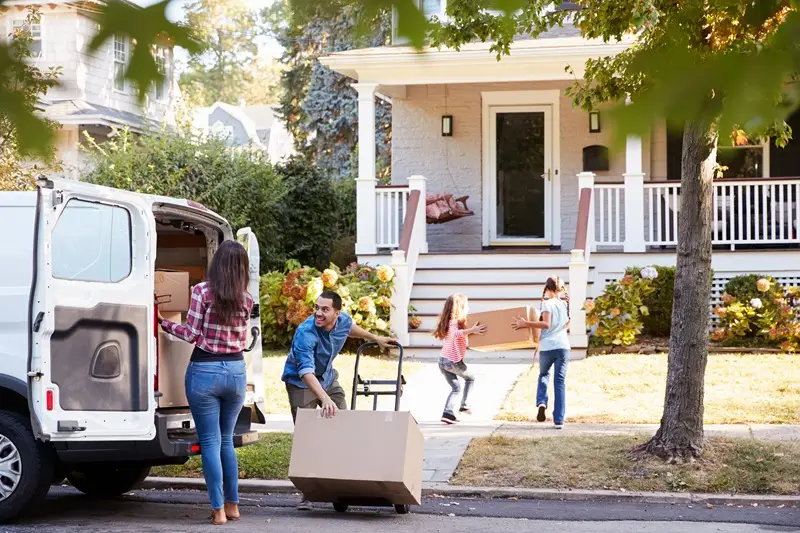
Moving advice treats every relocation the same. Pack your boxes, book a truck, label everything, done. But anyone who has moved around Frederick County knows that a move from a downtown Frederick rowhome feels nothing like a move to a farmhouse outside Emmitsburg.
This county packs a surprising amount of variety into one area. You have historic streets that were laid out long before moving trucks existed, fast-growing planned communities in Urbana, small towns like Walkersville and Brunswick, and mountain roads near Thurmont. Each setting brings its own challenges.
This guide breaks down what actually changes from one part of the county to another, and how to plan around it.
Key Takeaways
- Your home type and neighborhood shape your move more than the distance you’re traveling.
- Downtown Frederick moves need extra planning for parking, narrow stairwells, and tight turns.
- Newer communities often have HOA rules about moving trucks and delivery hours.
- Rural properties may have long driveways, soft ground, or low branches that limit truck access.
- Commuter traffic on I-270 and US-15 can stretch a “short” local move into a long day.
- Booking early matters most around month-end, summer, and school breaks.
Why Frederick County Moves Are Different
On a map, Frederick County looks simple. In practice, a move here can involve three very different kinds of terrain before lunch.
A family leaving an apartment near the Golden Mile and heading to a single-family home in Middletown might pass through busy commercial roads, open highway, and winding rural streets in one trip. Each stretch affects timing, truck size, and how the crew loads and unloads.
That’s why many residents prefer working with local Frederick County movers who already know the roads and neighborhoods. Local familiarity helps with small but important decisions, like where a truck can safely park on a downtown block or which route avoids a steep, narrow road with a loaded vehicle.
Even if you plan to move yourself, it helps to think like a local mover. Start with the property, not the boxes.
Moving In or Out of Downtown Frederick
Downtown Frederick is full of charm. Brick sidewalks, historic rowhomes, and tree-lined streets near Baker Park make it one of the most loved parts of the county. They also make it one of the trickiest places to move.
Parking Is the First Puzzle
Street parking downtown is limited, and a large moving truck can’t just stop anywhere. Before moving day, check with the City of Frederick about any permits or rules for temporarily reserving curb space. Rules can change, so confirm the details directly rather than relying on what a neighbor did a few years ago.
If a truck has to park half a block away, your move will take longer. Every trip from the door to the truck adds up over a full house.
Old Homes Have Tight Spaces
Many historic homes have narrow front doors, steep staircases, and turns that modern furniture wasn’t built for. That oversized sectional may have come in through a back door or been assembled inside.
Measure your largest pieces before moving day. Check doorways, stair widths, and the ceiling height at landings. If something won’t fit, you’ll want to know that early, not while three people are holding it at an angle on the stairs.
Think About Your Neighbors
Rowhome living means shared walls and close neighbors. A quick note letting them know your move date goes a long way. It can also help you avoid conflicts over parking or blocked sidewalks.
Moving Into Newer Communities Like Urbana and Ballenger Creek
The newer developments in the southern part of the county feel very different. Streets are wider, homes are more uniform, and access is usually easier. But these neighborhoods have their own set of rules.
Check Your HOA Guidelines
Many planned communities have homeowners’ associations with rules about moving. These may include limits on when trucks can park, how long they can stay, or which days deliveries are allowed.
Ask for these rules as soon as your purchase or lease is confirmed. Finding out on moving day that trucks can’t stay overnight or must leave by a certain hour can throw off your whole plan.
Townhomes Have Their Own Quirks
Townhomes are common in these areas, and many have three levels with narrow interior stairs. Garages often double as the main entry point during a move. Clear the garage before moving day so the crew has a direct, open path inside.
If your new townhome has a shared driveway or a small parking pad, talk to your neighbors about space. A little coordination keeps everyone’s morning running smoothly.
Moving to Rural Areas Near Thurmont, Emmitsburg, or Myersville
The northern and western parts of the county offer space, views, and quiet. For many people, that’s the reason they move there. For a moving truck, though, rural properties raise a different set of questions.
Can the Truck Reach the House?
Long gravel driveways, sharp bends, soft grass, and low tree branches can all block a large truck. After heavy rain, a driveway that seems fine can turn into a spot where a loaded truck gets stuck.
Walk your driveway with fresh eyes before moving day. Look up as well as down. Branches that clear a car roof can scrape or snag a box truck. If access looks tight, a smaller truck making extra trips may work better than one large vehicle.
Weather Plays a Bigger Role
Higher elevations near the Catoctin Mountains can see rougher winter weather than downtown Frederick. Ice on a hilly rural road is a real concern for a heavy truck. If you’re moving in winter, keep a flexible backup date in mind.
Outbuildings Add Up Fast
Rural homes often come with sheds, barns, workshops, or detached garages. People tend to forget about these spaces until the house is empty. Then they discover a barn full of tools, lawn equipment, and old furniture.
Sort through outbuildings first, not last. They usually take more time than you expect.
Timing Your Frederick County Move
Distance isn’t the best way to predict how long a local move will take. Traffic, access, and timing often matter more.
Watch the Commuter Rush
Many Frederick County residents commute south toward Montgomery County and Washington, D.C. That means I-270 can get very busy during weekday rush hours. US-15 and I-70 also see heavy traffic at certain times.
If your move involves any of these roads, try to schedule loading so the truck is on the road outside peak commute hours. A 25-minute drive at noon can easily become an hour at 5 p.m.
Pick Your Season Wisely
Summer is the busiest time for moving almost everywhere, and Frederick County is no exception. Families often want to settle in before school starts. The end of each month is also busy because of lease turnovers.
If your dates are flexible, a mid-month weekday in spring or fall usually offers more scheduling options. If you must move in summer, book well in advance.
Plan Around Local Events
Downtown Frederick hosts festivals, markets, and events throughout the year. These can close streets or fill up parking. Check the city’s event calendar before you lock in a downtown moving date.
Practical Prep Tips That Work Anywhere in the County
Some advice applies no matter where you’re going.
Declutter before you pack. Every item you move costs time and effort. Donate, sell, or toss what you don’t use. Frederick County has plenty of donation centers and community groups where usable items can find a new home.
Pack a first-night box. Include chargers, medications, toiletries, basic tools, snacks, paper towels, and bedding. Label it clearly and keep it with you, not on the truck.
Label by room and priority. Write the destination room on each box and mark essentials. Unloading goes faster when nobody has to guess where things belong.
Photograph your electronics. Before unplugging TVs, computers, or home theater setups, take quick photos of the cables. Reconnecting everything later becomes much easier.
Protect your floors and doorways. Historic hardwood floors downtown and new carpets in Urbana both deserve protection. Floor runners and door jamb covers help prevent scratches and dents.
Take care of utilities early. Set up electricity, internet, and water at your new home ahead of time. Rural properties may use wells, septic systems, or propane, which can involve extra steps. Ask the seller or landlord for service details before you move.
Handling a Gap Between Homes
Closing dates don’t always line up. You might have to leave your old home a week or two before your new one is ready.
In that case, short-term storage can bridge the gap. Pack the items you won’t need right away, and keep daily essentials with you. Label stored boxes carefully so you know exactly what’s where when you’re ready to move in.
It’s also smart to confirm how and when items will be delivered from storage. A clear plan for the second half of the move keeps it from feeling like a second full relocation.
A Few Mistakes to Avoid
Even organized people slip up on moving day. The most common mistakes are also the easiest to prevent.
Waiting too long to book help is a big one, especially during summer. Underestimating how much stuff you own is another. Most people think they have less than they do until every drawer and closet is empty.
Skipping the measurement step causes plenty of headaches too. So does forgetting about access, whether that’s parking downtown, HOA rules in a new development, or a muddy driveway in the countryside.
Conclusion
A good Frederick County move starts with understanding where you’re coming from and where you’re going. The same moving day can look completely different in a downtown rowhome, a three-story townhome in Urbana, or a country property near Thurmont. When you plan around those details instead of treating every move the same, the whole process becomes calmer and more predictable.
Start by looking closely at both properties, including parking, stairs, driveways, and any neighborhood rules. Measure your largest furniture, sort through garages and outbuildings early, and schedule your move around commuter traffic and busy seasons. Keep essentials close, protect your floors, and set up utilities before you arrive. With a bit of local awareness and early preparation, settling into your new corner of Frederick County can feel far less stressful and a lot more exciting.