
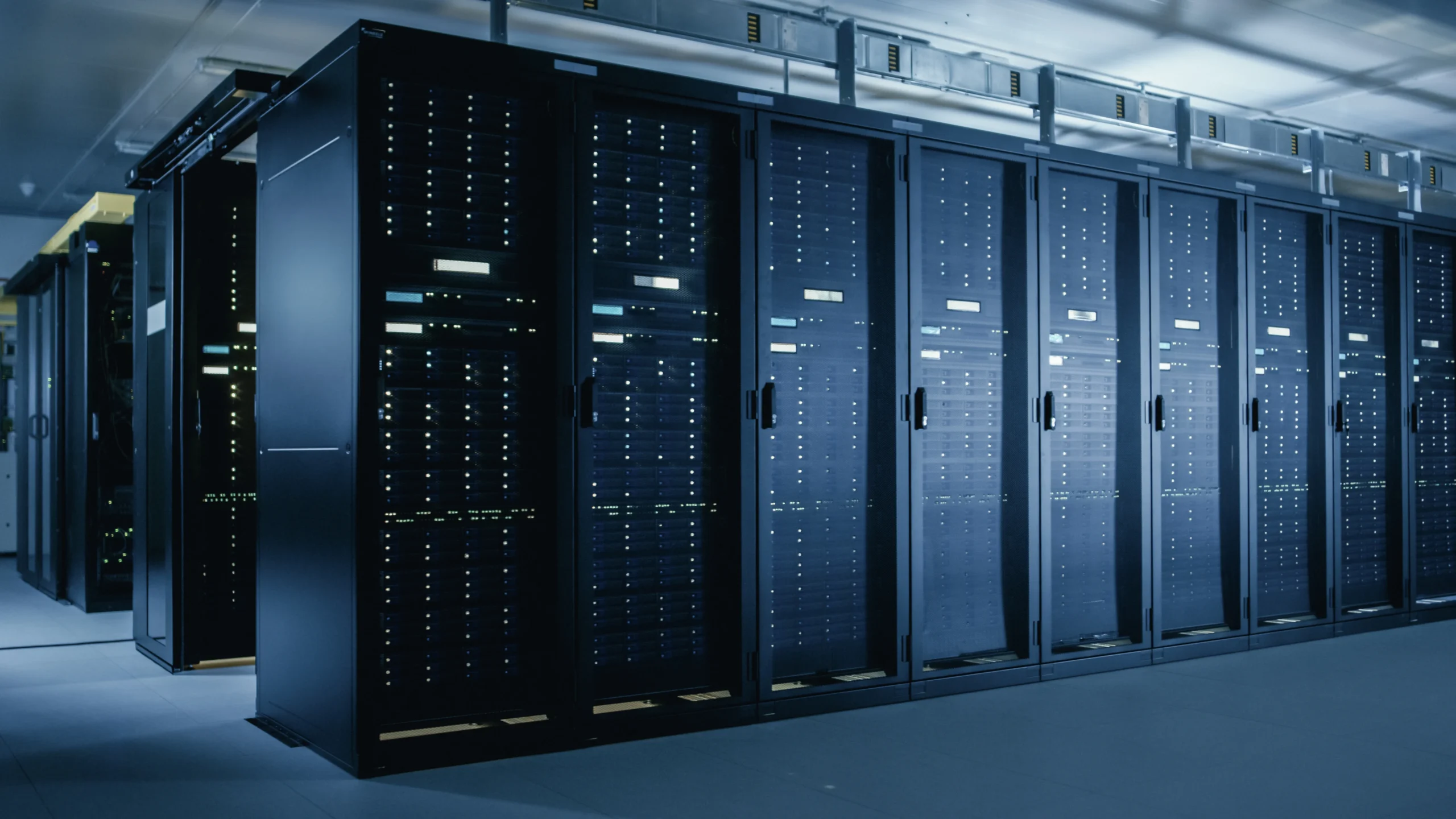
Artificial intelligence is changing the kind of digital infrastructure organisations need. Training large models and serving them to users requires computing power, high-speed networks, storage and reliable electricity. These resources must work together, at scale, which is one reason hyperscale data centers are attracting attention.
A data center in India is increasingly part of a wider technology ecosystem that includes cloud platforms, AI developers, telecom networks, enterprises and public-sector institutions. The facility is not the AI application itself. It provides the physical environment in which servers, accelerators and supporting systems can operate reliably.
What makes a facility hyperscale?
Hyperscale facilities are designed to support very large IT deployments and expand as demand grows. They commonly use repeatable designs, standardised infrastructure and consistent operating processes, making it easier to add capacity over time. The term does not refer to one universal certification or a single fixed size. It generally describes the ability to operate and scale large computing environments efficiently.
AI workloads place particular demands on infrastructure. GPUs and other accelerators can draw substantial power and produce considerable heat. Power distribution, cooling, rack design and monitoring therefore become central to planning. Operators need to consider not only the first deployment but also whether the site can accommodate future hardware generations, higher rack densities and changing cooling requirements.
Networking matters as well. During AI training, many accelerators may need to communicate with one another at high speed. Inference services, meanwhile, need to respond to user requests quickly and consistently. Data movement between compute, storage and network systems can become a bottleneck if the architecture is not planned carefully. A large building by itself does not guarantee good performance.
Why local capacity matters
A stronger domestic infrastructure base gives Indian organisations more options for accessing computing resources closer to their users and data. Local hosting may reduce network latency for some applications and can help customers address particular data-residency, governance or procurement requirements. The benefits depend on the service and the customer’s obligations, so hosting within the country should not be treated as an automatic guarantee of compliance.
India’s data center sector has expanded alongside demand for cloud services, digital platforms and AI. That growth also raises practical questions about electricity supply, grid readiness, water use, land, fibre connectivity and the availability of skilled operators. Data center development is a long-term infrastructure undertaking. Sustainable growth depends on planning these resources alongside computing demand.
For organisations evaluating a colocation data center, the key questions go beyond floor space. They should examine available power, network connectivity, cooling strategy, physical security, resilience, expansion plans and the operator’s ability to support the equipment being deployed. AI-focused deployments may need higher rack power and different cooling arrangements from conventional enterprise servers.
From infrastructure to AI adoption
Hyperscale infrastructure can lower barriers for organisations that cannot build and operate their own large facilities. Through cloud and colocation models, businesses can access computing capacity without taking on every aspect of physical infrastructure ownership. The right model depends on how much control a customer needs, how predictable its workload is and whether it has the expertise to manage hardware directly.
AI adoption also depends on factors beyond compute. Organisations need suitable data, skilled teams, secure development practices and a clear business problem to solve. Infrastructure makes experimentation and deployment possible, but it does not replace those requirements. Capacity must be matched to actual demand to avoid expensive resources sitting idle or systems becoming constrained during peak periods.
Planning for scale and efficiency
As AI use expands, data center operators will need to balance speed of deployment with resilience, energy efficiency and responsible resource use. Customers should ask how a facility measures and manages power and cooling, how maintenance is planned, and what evidence supports claims about capacity and reliability. They should also understand the timeline for bringing additional capacity online. Announced capacity and operational capacity are not always the same thing.
For businesses choosing a data center in india, location is one part of the decision, alongside connectivity, resilience, operating standards and the services available on site. A provider’s ability to support changing hardware and workload needs may be just as important as its current footprint.
The infrastructure behind the AI boom
Hyperscale facilities are becoming an important part of the infrastructure needed to develop and deploy AI. They can provide the power, cooling, connectivity and computing environment that large workloads require, while cloud and colocation models give organisations different ways to access those resources.
The long-term value of this growth will depend on more than size. Careful engineering, operational discipline, efficient resource use and realistic planning will determine how well facilities serve customers as demand changes. For organisations comparing a colocation data center, the strongest choice is one that fits the workload and can demonstrate how it will support performance, resilience and future growth.