
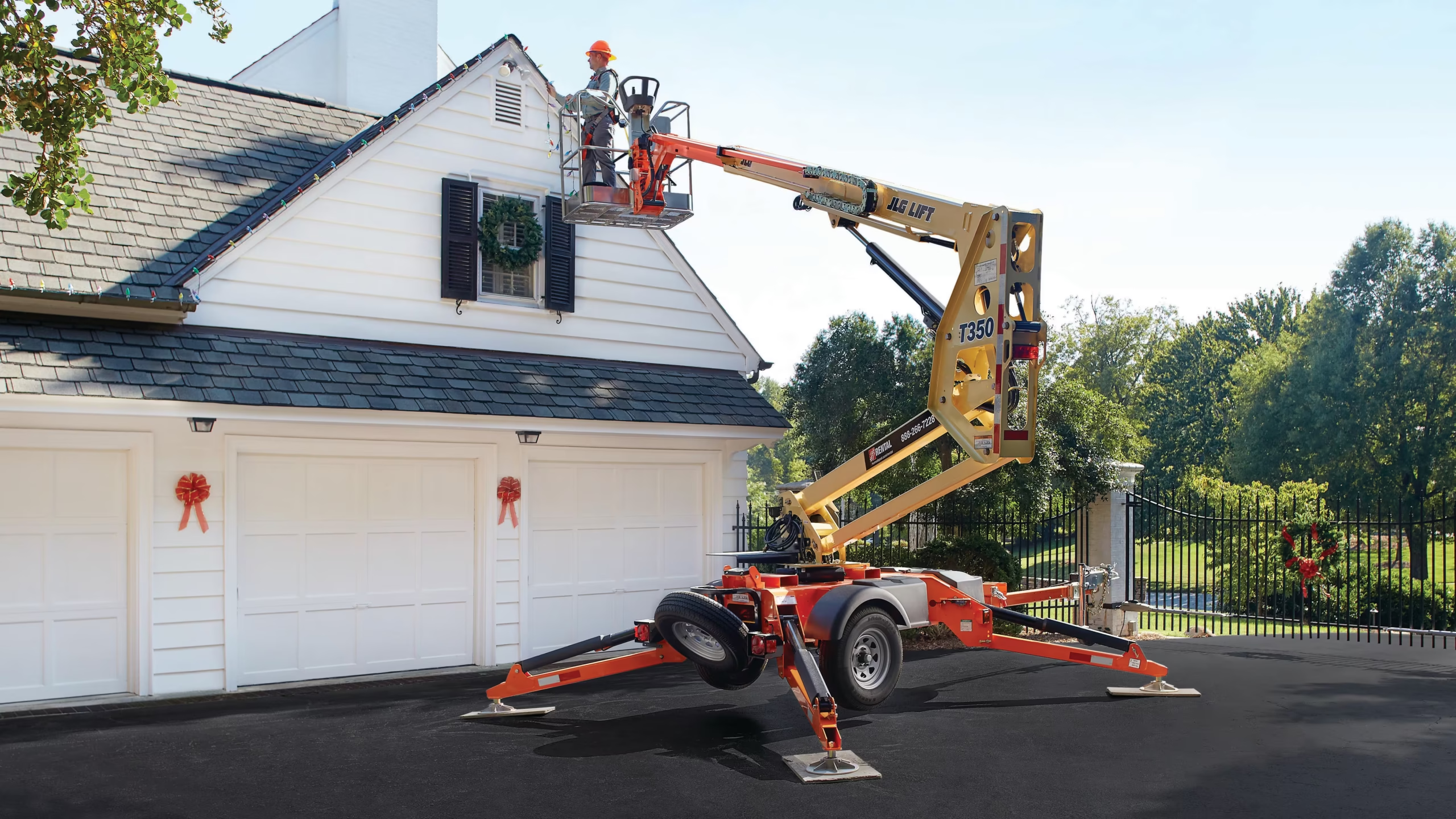
Boom lifts help businesses and contractors complete elevated work that requires additional reach, flexibility, and access to difficult areas. Construction crews, maintenance professionals, industrial facilities, and commercial property managers often need to reach overhead structures, exterior walls, lighting systems, roofs, and other elevated workspaces. Traditional ladders may not provide the necessary working height or horizontal reach, while scaffolding can require additional setup time and limit movement between work areas. A boom lift offers a practical alternative by providing an elevated platform supported by an extendable arm, allowing authorized workers to reach designated positions when the equipment is suitable for the task. Choosing a boom lift rental can help businesses access specialized equipment without making a substantial upfront purchase. By selecting the appropriate machine, planning the worksite carefully, and following established safety procedures, companies can improve productivity, control equipment expenses, and complete challenging elevated tasks more efficiently.
Understanding Boom Lifts
Boom lifts are aerial work platforms designed to raise workers and their tools to elevated positions, including areas that may be difficult to reach directly from below. Unlike a conventional scissor lift, which primarily moves vertically, a boom lift uses an extending arm to provide vertical and horizontal positioning capabilities. Depending on the model, the boom may articulate around obstacles or extend outward to reach specific work areas. These capabilities can be useful for installing overhead equipment, maintaining building exteriors, inspecting industrial structures, repairing elevated fixtures, and performing selected construction activities. However, not every boom lift is suitable for every application, so businesses must evaluate the required working height, horizontal outreach, platform capacity, access limitations, and operating conditions before selecting equipment. Understanding the machine’s capabilities helps project managers choose a platform that supports the task without introducing unnecessary complexity or expense.Different boom lift designs serve different purposes, making equipment selection an important part of project planning. Articulating boom lifts use joints that allow the arm to bend around certain obstacles, while telescopic boom lifts generally provide longer, more direct outreach through an extending arm. Some models are powered by electricity and may be suitable for applications where indoor operation, low operating noise, or reduced direct emissions are important. Other models are designed for outdoor work or demanding environments and may offer features appropriate for specific terrain conditions. Businesses should not assume that all models have the same reach, load capacity, turning radius, or ground requirements. Reviewing the manufacturer’s specifications and explaining the intended task to the rental provider helps identify the most suitable equipment. A well-matched machine can make access easier, reduce unnecessary repositioning, and help workers complete their responsibilities within the planned project schedule.
Selecting the Right Equipment
Choosing a suitable boom lift begins with identifying the exact requirements of the job. Project managers should determine how high workers need to reach, how far the platform must extend horizontally, and whether obstacles prevent the machine from being positioned directly beneath the work area. They should also calculate the combined weight of authorized occupants, tools, and materials to ensure that the platform remains within its rated capacity. Other considerations include the available working space, ground conditions, doorway dimensions, overhead clearances, and access routes. A machine that provides sufficient vertical height may still be unsuitable if it cannot reach the required position safely. Sharing accurate project information with the rental provider helps narrow down available options and reduces the likelihood of delays caused by selecting equipment with inadequate reach or unsuitable dimensions.The working environment also influences whether an electric, rough-terrain, articulating, or telescopic model is appropriate. Indoor projects may benefit from equipment designed for confined spaces and suitable floor surfaces, while outdoor applications may require different tires, ground clearance, or operating capabilities. Uneven surfaces, slopes, soft ground, overhead power lines, nearby structures, and changing weather conditions can all affect equipment suitability. Businesses should review the manufacturer’s operating restrictions rather than assuming that a machine can safely handle every surface or environmental condition. When projects involve tight access points or complex structures, accurate measurements and a site assessment can help prevent equipment selection mistakes. Consulting experienced rental professionals before scheduling delivery gives project teams an opportunity to explain these challenges and identify a machine that meets the practical demands of the assignment.
Benefits of Renting
Purchasing a boom lift represents a significant financial commitment that may not make sense for companies that need aerial equipment only for particular projects. Ownership can involve financing expenses, routine maintenance, inspections, storage, transportation, and long-term equipment management. Renting provides an alternative by allowing businesses to access the required machinery for an agreed period without taking on the full cost of purchasing a new unit. This arrangement can be especially useful for contractors completing temporary construction work, facility managers handling scheduled repairs, and businesses responding to seasonal increases in workload. Instead of committing capital to equipment that might remain unused between assignments, companies can direct their budgets toward labor, materials, project development, and other operational priorities. A rental arrangement can also make specialized equipment accessible to businesses that need greater reach than their existing machinery can provide.Flexibility is another advantage because equipment requirements frequently change between projects. A contractor may need an articulating model to reach around obstacles during one assignment and a telescopic model for a different application that requires greater horizontal outreach. Renting allows businesses to evaluate equipment according to each project’s specifications rather than relying on a single machine for every task. It can also provide a temporary replacement when owned equipment is unavailable because of maintenance or repairs. Before confirming an agreement, companies should review rental duration, delivery and collection arrangements, maintenance responsibilities, damage policies, insurance requirements, and potential extension charges. Businesses should also clarify whether the quoted price includes transportation or other services that may affect the total cost. Understanding these details in advance helps prevent misunderstandings and supports more accurate financial planning throughout the project.
Planning the Worksite
Preparing the worksite before equipment delivery helps minimize delays and creates a more organized working environment. Project managers should confirm that the machine can reach the intended area and that access routes provide adequate clearance for its dimensions. Doorways, loading entrances, corridors, turning areas, and temporary access routes should be evaluated before delivery is scheduled. The ground or floor must also be appropriate for the machine’s weight and operating requirements, while hazards such as trenches, floor openings, slopes, soft surfaces, and underground structures may require additional assessment. Overhead obstructions, including beams, pipes, electrical installations, lighting fixtures, and building projections, should be identified before the platform is raised. These checks help determine where the machine can be positioned and whether additional precautions are necessary. Thorough preparation reduces avoidable complications and allows employees to focus on completing the assigned work.Coordination between workers, supervisors, and other contractors is equally important when boom lifts are used in active workplaces. The equipment may need to operate near delivery vehicles, pedestrians, construction materials, or other machinery, so the working zone should be organized to reduce conflicts. Depending on the task and site conditions, barriers, warning signs, designated travel routes, and controlled access may be necessary. Project managers should also schedule work so that the platform does not obstruct other essential activities or create unnecessary congestion. Tools and materials should be prepared before work begins, reducing the need for repeated trips to retrieve missing supplies. If the project involves several elevated tasks, organizing them by work area may help reduce unnecessary repositioning. Effective planning supports better productivity while ensuring that equipment movement and elevated work remain coordinated with the wider operation.
Safety and Operator Training
Safe boom lift operation depends on suitable training, equipment inspections, hazard awareness, and compliance with the manufacturer’s instructions. Employees should be trained and authorized for the equipment they operate, with an understanding of the controls, platform limits, emergency procedures, and relevant workplace requirements. Before use, operators should complete the required pre-operation inspection and check for visible damage, leaks, tire problems, defective controls, missing protective components, and other conditions that could affect safe performance. Any potentially hazardous defect should be reported, and the machine should remain out of service until the problem has been appropriately evaluated and corrected. Workers must understand how ground conditions, wind, nearby structures, and overhead hazards affect operation. A deadline should never take priority over safe working procedures, particularly when employees are elevated above the ground or operating close to other workers.The platform’s rated capacity must always be respected, including the combined weight of personnel, tools, and materials. Operators should keep their bodies within the platform guardrails, use the required protective equipment, and follow applicable fall-protection procedures for the specific machine and workplace. Climbing on guardrails, using makeshift extensions, bypassing safety systems, or attempting to gain additional height through unsafe methods can create serious hazards. Equipment should be positioned and moved according to manufacturer instructions, with particular attention to ground conditions and nearby obstacles. Workers must also maintain appropriate clearance from electrical hazards because contact with overhead power lines can result in severe injury or death. When a task requires operation near electrical installations, the work should be assessed and controlled by qualified personnel in accordance with applicable safety requirements. Clear communication, proper training, and disciplined operating practices help protect workers and support safer project execution.
Managing Rental Costs
Controlling equipment expenses requires businesses to evaluate the complete cost of a rental rather than focusing only on the advertised daily or weekly rate. Transportation, delivery, collection, rental duration, accessories, insurance conditions, and other contract provisions may affect the final amount. A low-priced machine may not provide sufficient reach or the necessary operating features, potentially increasing labor costs if workers cannot complete the task efficiently. On the other hand, choosing a larger or more capable model than the job requires may lead to unnecessary expenditure. Businesses should compare available options according to their technical suitability, expected use, and total cost over the planned rental period. Obtaining a clear quotation and confirming the included services can help managers establish a realistic budget. They should also ask how extensions are handled if the project continues longer than expected, allowing them to plan for changing requirements without unnecessary uncertainty.Scheduling plays an important role in maximizing the value of rented equipment. Delays caused by incomplete preparation, missing materials, unavailable workers, or conflicting contractor schedules can leave machinery unused while rental charges continue. Before delivery, managers should confirm that the site is ready, the work plan is established, and the necessary tools and supplies are available. Employees should understand their responsibilities and know which tasks must be completed while the equipment is on site. For longer projects, supervisors can review progress regularly and adjust the work sequence if unexpected problems arise. If the schedule changes substantially, contacting the rental provider early may help clarify the options available under the agreement. This approach reduces wasted time, improves coordination, and allows businesses to make better use of the equipment throughout the rental period.
Equipment Maintenance
Equipment condition is an important consideration when arranging any aerial platform rental. Before accepting a machine, businesses should understand the provider’s inspection procedures, maintenance arrangements, and process for reporting operational problems. Operators should perform the required pre-use checks and remain alert to warning indicators, unusual noises, leaks, damaged components, or unexpected changes in performance. Equipment that may be unsafe should not continue operating while employees attempt to finish a task. Instead, the operator should follow established reporting procedures and contact the responsible service provider. Unauthorized repairs or modifications should be avoided because they may create additional hazards or interfere with safety systems. Understanding the rental provider’s support process before the project begins helps managers respond appropriately if a mechanical issue interrupts the work.A dependable rental provider should communicate clearly about maintenance responsibilities and the assistance available during the rental period. Businesses should confirm how equipment concerns are reported, who can authorize repairs, and what arrangements may be available if the machine becomes unavailable. Keeping the equipment in accordance with operating instructions and protecting it from misuse can help maintain its condition throughout the assignment. Workers should also understand any restrictions involving transportation, charging, fueling, storage, or operation in particular environments. At the end of the rental, the equipment should be returned according to the agreement, and any damage or performance concerns should be communicated accurately. These practices encourage accountability and help both parties manage the equipment responsibly. Reliable support arrangements can also reduce uncertainty and make it easier for project managers to respond to unexpected interruptions.
Choosing a Rental Provider
Selecting a suitable rental provider is an important step toward obtaining equipment that meets the project’s requirements. Businesses should look for a provider that offers appropriate equipment options, explains specifications clearly, and asks relevant questions about the work being performed. Information about working height, horizontal outreach, platform capacity, ground conditions, access restrictions, and project duration helps determine which machines may be appropriate. Companies should also ask about equipment condition, delivery arrangements, maintenance support, rental extensions, and contract terms. A provider with knowledgeable personnel can help customers compare available options and understand the practical differences between equipment types. Rather than choosing a machine solely on price or availability, businesses should consider whether it is suitable for the task and whether the rental arrangement supports the project’s schedule and operating requirements.Businesses seeking aerial equipment and material-handling solutions can explore the options offered by Tri-Lift Industries through its official website. The company provides rental equipment for short-term projects and longer operational requirements, with dedicated rental technicians available to support its rental customers. When discussing a boom lift rental, businesses should provide details about the intended work, required reach, access limitations, ground conditions, and expected rental period. This information helps the rental team understand the application and discuss potentially suitable equipment. Customers should confirm current availability, machine specifications, delivery arrangements, pricing, and agreement terms directly with the provider before making a commitment. Careful communication during the selection process helps businesses choose equipment that matches their requirements and reduces the possibility of delays caused by incorrect specifications or incomplete planning.
Conclusion
Boom lifts provide valuable access solutions for elevated work that requires vertical height, horizontal outreach, or the ability to position workers around obstacles. Their effectiveness depends on selecting suitable equipment, preparing the worksite, training operators, inspecting the machine, and following the manufacturer’s safety instructions. Businesses should carefully assess working height, platform capacity, ground conditions, overhead hazards, access routes, and project duration before arranging equipment delivery. They should also review the full rental cost, clarify maintenance responsibilities, and coordinate workers and materials to avoid wasting valuable time. A well-planned boom lift rental can give contractors and businesses access to specialized equipment without the financial commitment of ownership. By working with a dependable provider and prioritizing safety and preparation, companies can improve productivity, manage equipment expenses, and complete elevated projects more efficiently.